How to Stop Pet Hair Tangling in a Robot Vacuum Brush
Choose a robot vacuum for long hair with anti-tangle main and side brushes, then clear trapped strands before they tighten. Pick self-emptying for less bin work, but keep checking the brush ends.
On this page (9 sections)
- Why does long hair tangle in a robot vacuum brush?
- How do you choose a robot vacuum for long hair?
- Which brush designs help reduce hair wrap?
- How should you set up cleaning to reduce hair buildup?
- How do you remove hair from the main brush?
- How often should you check a robot vacuum for long hair?
- Can a replacement brush help with tangling?
- What should you do if the brush still stops?
- Which robot vacuum for long hair should you choose?
A robot vacuum for long hair should have anti-tangle main and side brushes, plus a brush assembly you can remove for regular care. Clear trapped strands before they tighten, even when the robot has a self-emptying dock.
Choose around your floors and daily chores: the Roomba Max 715 suits busy homes needing vacuuming and obstacle avoidance, the Roborock Q10 S5+ adds sonic mopping, and the Q7 L5 suits buyers comfortable emptying a bin.
Why does long hair tangle in a robot vacuum brush?
Long hair tangles because rotating brushes wind strands around their center and ends. Human hair and long pet hair can both form tight bands as more debris collects.
The side brush needs attention too, since strands can wind around its hub while its arms sweep. A clear main roller doesn't mean the whole brush system is clear.
Carpet fibers can hold loose hair until the robot passes over them. On hard floors, hair often gathers along walls and under furniture, so include those areas in your cleaning route.
How do you choose a robot vacuum for long hair?
Prioritize brush design, access for cleaning and floor coverage before comparing suction numbers. A robot that needs frequent rescue or can't reach your hair collection spots will leave more work for you.
Brush access matters for a robot vacuum for long hair
Look for anti-tangle features on both brush types, then check the manual for removal and cleaning steps. You need access to the roller ends, where tight wraps can hide.
Measure under sofas and beds before buying. Leave clearance above the robot rather than choosing a model that barely fits and could catch beneath the frame.
Match the dock and mop to your routine
Choose self-emptying if bin emptying is the chore you're trying to reduce. It moves collected debris into a dock bag, but it doesn't remove strands wrapped around a brush.
A mop helps with hard-floor upkeep after loose hair is collected. Choose one because you need damp cleaning, rather than expecting it to solve tangling.
Our robot vacuum guide for pet hair covers the wider buying choices. For mixed floors, our guide to robot vacuums for thick carpet explains the extra limits of deeper pile and rugs.
Which brush designs help reduce hair wrap?
Anti-tangle main and side brushes are the most relevant starting point for long hair. The 3 robots below pair those features with different dock, floor care and mapping options.
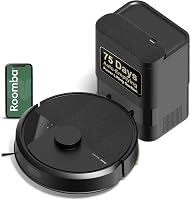
Roomba Max 715: for busy homes with scattered obstacles
Choose the Roomba Max 715 if you want vacuuming with bagged self-emptying and object avoidance around everyday floor clutter. Its dual rubber rollers and edge brush address both main areas where hair wraps.
It has 30,000 Pa suction, automatic Carpet Boost and LiDAR-based 3D mapping. PrecisionVision AI responds to objects including cords, socks, toys and pet bowls, while Dirt Detect adds passes in messier areas.
iRobot advertises up to 90 days between dock bag changes; actual intervals depend on the debris collected. That convenience suits frequent cleaning schedules, but brush checks still need their own routine.
Skip it if sonic mopping is central to your plans; the Q10 S5+ below has that feature. Also measure low furniture carefully, since the Roomba is 4.13 inches tall.
Roborock Q10 S5+: for homes needing vacuuming and damp cleaning
Choose the Roborock Q10 S5+ if you want long-hair brush features alongside sonic mopping and a self-emptying station. It fits households with hard floors to mop and carpets that need separate attention.
The robot has 10,000 Pa suction, structured-light obstacle avoidance and LiDAR mapping with support for multiple floor maps. Roborock advertises up to 70 days of debris storage in its 2.7-liter dock bag.
Its VibraRise 2.0 mop lifts up to 8 mm on carpet, but that clearance isn't a reason to send a damp pad across every rug. Check pile height and use no-go zones where needed.
Skip it if you want to avoid water and pad care, or if you don't need a debris collection station. App setup requires a 2.4 GHz Wi-Fi network, so check your router settings before pairing.
Roborock Q7 L5: for buyers willing to empty the bin
Choose the Roborock Q7 L5 if you want mapped cleaning and anti-tangle brushes without a self-emptying station. It's the option here for people willing to handle collected hair themselves.
It combines 8,000 Pa suction with LiDAR mapping, multiple floor maps and room scheduling. At 3.89 inches tall, it also gives you a useful measurement to compare with furniture clearance.
The removable mop pad has 3 water levels, and the 270 ml water tank shares an integrated unit with the dustbin. Plan for both bin emptying and pad care if you use wet cleaning.
Skip it if reducing bin chores is your main goal. Its suggested no-go zones can help address trouble spots, but you should still clear cables; app setup also needs 2.4 GHz Wi-Fi.
Suction figures alone shouldn't decide between these robots. Our guide to what robot vacuum suction power means explains how Pa fits alongside brushes and floor type.
How should you set up cleaning to reduce hair buildup?
Start with clear floors and an observed first run, then schedule cleaning often enough to prevent large hair clumps. Use that first run to spot rugs, thresholds and furniture that interrupt the route.
Pick up cords, hair ties, ribbons and loose socks before mapping. Even a robot with obstacle avoidance benefits from an open path to the areas that collect hair.
Place the dock according to the manual's clearance instructions and keep its approach open. A blocked return path creates another reason for a cleaning run to stop early.
Begin with daily runs in rooms where hair gathers, then adjust based on what reaches the bin and brushes. Targeted room cleaning may be more useful than sending the robot through every room each time.
How do you remove hair from the main brush?
Turn the robot off and remove the brush as the manual directs before clearing a tight wrap. Work on loose strands first, then inspect the ends and brush bay.
- Take the robot off its dock and power it off.
- Place it on a stable surface and open the brush cover.
- Lift out the roller if your model allows removal.
- Pull away loose hair, checking both ends for tight bands.
- Clear debris from the brush bay, cover and side brush.
- Refit every part securely before restarting.
Use only the cleaning tool and method recommended for your model. Don't pry off fixed end pieces or use a blade against rubber fins.
Wash parts only when the manual allows it, and let washable parts dry fully before refitting. For the rest of the routine, see how to clean a robot vacuum.
How often should you check a robot vacuum for long hair?
Check the brushes after every run at first, then use the amount of trapped hair to set your interval. Heavy shedding, more people with long hair or a change in rooms may call for closer checks.
Look at the side-brush hub and roller ends, not just the visible middle. Empty the bin before packed hair blocks its inlet, and inspect the filter according to the manual.
Don't use a dock's advertised storage interval as a whole-machine care schedule. Our guide to self-empty stations on robot vacuums explains which chores the dock handles.
Can a replacement brush help with tangling?
Replace a brush when it's worn, damaged or no longer fits correctly after cleaning. Replacing a sound brush just because it holds hair won't remove the need for upkeep.
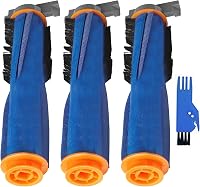
This is a replacement part, not a robot vacuum. The set contains 3 roller brushes and 1 cleaning brush, with a snap-in design that needs no extra installation tools.
It suits someone maintaining a compatible Shark rather than replacing the whole machine. Skip it for the Roomba and Roborock models above, and match your Shark's exact model number before ordering.
ZXHUANGOH recommends replacement every 3 to 6 months. Follow your robot's care instructions and inspect brush condition rather than treating a new roller as an anti-tangle upgrade.
What should you do if the brush still stops?
If the brush still stops, check its ends, bay and cover for trapped debris or poor seating. A tangle hidden at an end can remain after the center looks clear.
Don't keep restarting a robot that reports the same brush error. Follow the brand's troubleshooting steps or contact support if cleaning and refitting don't resolve it.
A torn roller or damaged cover calls for a compatible part rather than more force. Our guide to how long robot vacuums last covers when repair or replacement deserves a closer look.
Which robot vacuum for long hair should you choose?
Choose your robot vacuum for long hair by the chores you want to reduce. Pick the Roomba Max 715 for vacuuming with object avoidance and bagged debris storage, or the Q10 S5+ when sonic mopping also matters.
Pick the Q7 L5 if you're comfortable emptying the bin and want mapped cleaning with occasional mopping. Keep a compatible Shark and replace its roller if wear is the real problem.
Before ordering, check furniture clearance, dock space and brush removal steps. Then build the checks in our robot vacuum cleaning guide into your routine so small tangles don't become stalled runs.
Frequently asked questions
How often should you remove hair from a robot vacuum brush?
Check the brush after every run at first, then adjust the interval based on how much hair collects; inspect the roller ends and side brush as well as the center. Clear strands before they form a tight band, and follow your robot's manual for its regular care schedule.
Do anti-tangle robot vacuums need brush cleaning?
Yes, anti-tangle robot vacuums still need brush checks and cleaning; these designs aim to limit wrapping, but strands can gather around brush ends or the side brush. Remove trapped hair as needed, inspect the brush bay, and follow the manual before taking apart or washing any components.
Can long hair damage a robot vacuum?
Long hair can restrict a robot vacuum's brush when it wraps tightly around the roller or its ends; stop the robot if the brush jams instead of repeatedly restarting it. Remove hair according to the manual, then contact support if the brush still won't move or an error returns.
What helps prevent hair tangles in a robot vacuum?
Frequent cleaning runs, early strand removal and anti-tangle main and side brushes help limit hair buildup; start with clear floors and inspect the brushes after each run until you know your home's needs. A self-emptying dock handles collected debris, but it doesn't replace checking the brushes for wrapped hair.