Can a Robot Vacuum Handle Thick Carpet and Rugs?
Choose a robot vacuum for thick carpet by matching its climbing ability and brush design to your rug. Shark AV2820S suits raised transitions, while deep shag and delicate rugs may need a different cleaning method.
On this page (6 sections)
- How do you choose a robot vacuum for thick carpet?
- Which of these robots suits your carpeted home?
- How should you set up the first carpet cleaning run?
- What care and common mistakes affect carpet cleaning?
- Are shag and delicate rugs suitable for robot cleaning?
- Which robot vacuum for thick carpet should you choose?
A robot vacuum for thick carpet can handle routine cleaning when it crosses the rug edge, moves through the pile and keeps its brush turning freely. Choose around those needs first, then compare suction and convenience features.
For raised transitions, the Shark AV2820S has the most directly relevant feature here: Shark's NeverStuck system lifts and lowers the robot over obstacles and onto thick carpet. Shag, delicate fibers and loose rugs still need their own care plan.
How do you choose a robot vacuum for thick carpet?
Match the robot to the carpet's construction, rather than buying by thickness alone. A dense carpet with short fibers creates different demands from a loose rug with long strands.
Check 3 things before choosing:
- The entry edge: A tall or curled border can stop the robot before it reaches the cleaning area.
- The pile: Deep, soft fibers can resist wheels and brushes even when the edge is easy to cross.
- Loose parts: Fringe, lifted corners and sliding rugs can catch or bunch underneath.
Read the carpet maker's care directions for permitted brush types and cleaning methods. Then confirm the robot supports that surface; none of the features below establishes compatibility with every high-pile rug.
For a wider explanation of surface differences, see how robot vacuums work on carpet.
Which features matter most for thick carpet?
Access, brush contact and carpet boost deserve attention before the biggest suction number. Mapping and no-go zones help you keep cleaning the rest of the room when one rug needs to be excluded.
Anti-tangle brushes are useful for homes with shedding pets, but they still need inspection. Our guide to stopping hair tangles in a robot vacuum brush explains where hair collects.
Check how maximum suction is delivered, too. A peak available only in a spot-cleaning mode should not be treated as the setting for an entire room.
Read our robot vacuum suction power guide for help comparing Pa figures, or use the broader carpet robot vacuum buying guide to plan around your floor layout.
Which of these robots suits your carpeted home?
Choose by the job you need done: the Roomba emphasizes brushes and pet messes, Shark addresses transitions, ILIFE offers vacuum-only cleaning, and Roborock adds mopping for nearby hard floors.
Roomba Max 715: for carpeted homes with frequent pet messes
The Roomba Max 715 suits pet households that want brush features, automatic carpet adjustment and less manual bin emptying. Its 30,000 Pa suction works alongside Carpet Boost and dual rubber anti-tangle brushes.
iRobot says the brushes flex to maintain contact across floor types. Advanced Dirt Detect adds passes around larger messes, while app controls let you schedule rooms and set repeat passes.
Its bagged AutoEmpty dock offers up to 90 days between bag changes, depending on use and debris. That reduces bin work, but it doesn't remove the need to inspect brushes and clear trapped carpet fibers.
Skip it if your main obstacle is a rug that forbids powered brushes or catches the robot's wheels. Brush features and suction cannot make an unsuitable rug compatible.
Shark AV2820S: for raised rug edges and floor transitions
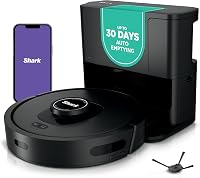
The Shark AV2820S is the first model to consider when getting onto the rug is the main problem. Shark says NeverStuck technology lifts and lowers the robot across thresholds and onto thick carpet.
FloorDetect adjusts brushroll engagement to the surface, while DirtDetect increases suction and cleaning passes around debris. Those features address both reaching the carpet and changing the cleaning response once there.
Its bagless self-empty base has a stated 30-day capacity and a HEPA Anti-Allergen Seal. Choose it if you prefer emptying a collection base rather than replacing disposal bags.
Skip it if you expect the lifting system to make every shag or fringed rug suitable. Observe the robot crossing your actual border from several directions before scheduling that room.
ILIFE A30s: for vacuum-only room cleaning
The ILIFE A30s suits homes that want carpet vacuuming without mop care. It combines LiDAR mapping, room selection, no-go zones and a dual anti-tangle brush.
Its maximum 10,000 Pa suction applies in Spot mode. Use that distinction when comparing it with other robots, rather than assuming the peak describes every scheduled run.
The app offers automatic carpet boost, and the included remote gives family members another way to start cleaning. App setup requires a 2.4 GHz Wi-Fi connection.
Choose it if you're comfortable emptying the robot's 500 ml bin yourself. Skip it if automatic dust disposal is a priority, since the included dock is a charging station rather than a self-empty station.
Roborock Q10 S5+: for carpet rooms beside hard floors
The Roborock Q10 S5+ suits mixed-floor homes where mopping has a useful job outside the carpeted areas. It combines 10,000 Pa suction, automatic carpet boost and an anti-tangle main and side brush system.
Carpet detection raises the mop by up to 8 mm. Deep or uneven fibers may still reach a damp pad, so follow the instructions for vacuum-only use or exclude thick rugs during mopping.
The bagged self-empty dock offers up to 70 days between bag changes, depending on use. LiDAR mapping, room controls and no-go zones help divide suitable cleaning areas; app connectivity requires 2.4 GHz Wi-Fi.
Skip it if nearly all your floors are carpet and you have little use for a mop. Its extra floor-care system adds pad and water care to your routine.
For more choices, compare our best robot vacuums for carpet and pet hair.
How should you set up the first carpet cleaning run?
Start with one room while you're home, then watch the robot enter, turn and leave each rug. Successful entry alone doesn't show that it can cross the center or return to its dock.
- Remove cords, small toys and loose items, and deal with existing pet messes before starting.
- Flatten curled corners and secure sliding rugs only with methods approved for the rug and floor.
- Place the dock as directed, with a clear approach, and complete the mapping steps.
- Enable carpet boost where available and choose the carpeted room.
- Watch crossings from several angles, turns in the deepest pile and the return trip.
Stop the run if wheels spin in place, the rug bunches or fibers wrap around a brush. Repeated failed crossings call for an exclusion zone, rather than repeated attempts on a schedule.
For a combination model, also check that the damp mop stays clear of the carpet throughout the run.
What care and common mistakes affect carpet cleaning?
Keep the air path clear and the brush free to turn before increasing power or adding passes. A full bin, clogged filter or wrapped brush can undermine an otherwise suitable setup.
After the first few carpet runs, switch off the robot and inspect the roller ends, side brush, wheels and bin. New carpet fluff and pet hair can change how often these parts need attention.
Follow the manual for filter cleaning and replacement. Wash only parts approved for washing, and let them dry fully before refitting.
Our guide to cleaning a robot vacuum covers the main maintenance points.
Avoid these common mistakes:
- Using maximum power as the first fix: Find the cause of missed debris or stalled movement before changing settings.
- Trusting anti-tangle brushes without checking them: Hair can still collect around brush ends.
- Treating self-emptying as complete maintenance: Brushes, filters and transfer openings still need care.
- Leaving deep carpet too long between cleanings: Frequent suitable passes help limit loose debris buildup, while periodic cleaning with a suitable regular vacuum handles other needs.
Are shag and delicate rugs suitable for robot cleaning?
Use the rug maker's approved cleaning method for shag, high-nap frieze and delicate handmade rugs. Carpet detection does not establish that powered brushes are safe for their fibers.
The Carpet and Rug Institute's high-pile carpet guidance provides advice on choosing vacuums for these surfaces. Its carpet cleaning guidance offers further care information.
For Oriental, Turkish and Persian rugs, pay particular attention to fringe and brush restrictions. Block uncertain rugs until you have confirmed a suitable method.
Use a regular vacuum with an approved head and setting if the robot catches fibers, repeatedly stalls or leaves debris behind. Our robot vacuum versus stick vacuum comparison explains how the two can share cleaning duties.
Which robot vacuum for thick carpet should you choose?
Choose Shark for difficult transitions, Roomba for carpeted pet routines, ILIFE for vacuum-only cleaning, or Roborock for mixed floors. Make the final choice around your rug's care rules and the daily maintenance you're willing to do.
If the robot cannot cross your carpet freely or safely, keep that area outside its schedule and use a suitable regular vacuum. For help deciding how much daily work a robot should take on, read our complete robot vacuum guide for pet hair.
Frequently asked questions
How thick can carpet be for a robot vacuum?
There is no universal carpet thickness limit for robot vacuums; pile density, loose fibers and the height of the rug edge all affect movement, so check both manufacturers' care and compatibility guidance. During a supervised run, the robot should cross the edge, turn and leave without catching fibers or needing help.
Why does a robot vacuum get stuck on thick carpet?
Thick carpet can resist the wheels or brush, while a raised edge can stop the robot before cleaning begins; loose corners, fringe and lightweight rugs create separate snagging problems. Watch where it stops: trouble at the border calls for a different response than wheels spinning across the center.
Does more suction make a robot vacuum better for thick carpet?
More suction can help remove debris, but it cannot solve poor access or a brush caught in long fibers. Compare carpet boost, brush design and movement alongside suction; also check which mode delivers the maximum figure, since a peak available in Spot mode may not describe normal room cleaning.
Can a robot vacuum and mop clean rugs?
A robot vacuum and mop can vacuum compatible rugs if its damp pad stays clear of the fibers. The Roborock Q10 S5+ lifts its mop by up to 8 mm, which may not clear deep pile; for thick rugs, follow its instructions for vacuum-only use or exclude the rug during mopping.
Can a robot vacuum clean shag carpet?
Shag is often a poor match because long fibers can wrap around brushes and resist the wheels; follow the rug maker's care directions and confirm that the robot supports that surface before using it. If either manufacturer advises against powered brushes, choose an approved cleaning method and block robot access.