Do Robot Vacuums Work on Carpet?
Yes, robot vacuums work on carpet, especially low-pile carpet and firm area rugs. Choose for your carpet type, brush care and floor layout, and keep a full-size vacuum for embedded dirt.
On this page (10 sections)
- Do robot vacuums work on carpet for everyday cleaning?
- Which carpets are easiest for a robot vacuum to clean?
- What makes thick carpet and rug edges harder?
- Does more suction mean better carpet cleaning?
- Can robot vacuums pick up pet hair from carpet?
- Is a self-emptying base worth having for carpet?
- How should you set up a robot vacuum for carpet?
- What care and common mistakes affect carpet pickup?
- Can a robot vacuum replace an upright vacuum on carpet?
- Which robot vacuum should you choose for your carpet?
Yes, robot vacuums work on carpet, especially low-pile carpet and firm area rugs. They're useful for frequent dust, crumb and pet-hair pickup, while thick pile and embedded dirt need more care.
The best choice depends on your flooring and routine. Start with carpet compatibility, then compare brush upkeep, room controls and how much help you want with emptying.
Do robot vacuums work on carpet for everyday cleaning?
Yes, for routine pickup on carpet they can cross without getting stuck. Frequent runs collect loose debris before footsteps and pets work it farther into the fibers.
A main brush loosens debris, and suction carries it into the bin. Coverage matters too: a robot needs access around furniture and enough room to turn, rather than repeatedly stopping at the same rug edge.
Expect less manual floor cleaning, but keep a separate vacuum for stairs, upholstery and deeper carpet care. Our robot vacuum buying guide for carpet explains how to match features to your flooring.
When do robot vacuums work best on carpet?
They work best on short, firm pile with clear paths and a regular schedule. A room with open floor space gives the robot a better chance to cover the carpet than one crowded with cords, toys and low furniture.
Judge usefulness by the rooms it can finish and the debris left behind. If it repeatedly stalls or leaves hair clumps, address the obstruction, brush or cleaning settings before adding more runs.
Which carpets are easiest for a robot vacuum to clean?
Low-pile carpet and stable area rugs are usually the easiest surfaces. Deep, soft fibers create more resistance, while a lightweight rug may bunch up as the robot crosses it.
Check the thickest rug, not just the main carpet. Measure furniture clearance too, since reaching carpet under a bed or sofa can be a major reason to buy a robot.
The ILIFE A30s suits carpet-focused homes that want vacuuming without a mop. It has LiDAR mapping, room selection, no-go zones and a remote, so you can plan room cleaning and start a run without reaching for your phone.
Its dual anti-tangle brush is designed to reduce hair wrap. Skip it if automatic dirt disposal is essential: this model uses a 500 ml onboard bin that you'll need to empty yourself.
ILIFE specifies up to 10,000Pa in Spot Mode, so don't assume that figure applies throughout a normal whole-home run. App controls require 2.4GHz Wi-Fi.
What makes thick carpet and rug edges harder?
Deep pile, raised edges and loose fringe can interrupt cleaning even when a robot has strong suction. Movement and brush contact come first; extra power cannot solve a rug edge the robot cannot cross.
Check how firmly each rug sits and whether its corners curl. Use a rug pad approved for your flooring where needed, and keep tassels out of the brush path without altering a delicate rug.
For shag, looped or delicate carpet, check both the vacuum instructions and the carpet care guidance. A rotating brush may be unsuitable for some fibers or constructions.
Read what to know about robot vacuums on thick carpet before buying for plush rooms. Don't assume one model will handle every rug just because it cleans your low-pile hallway.
Does more suction mean better carpet cleaning?
Suction helps move loosened debris, but choose it alongside brush design and usable coverage. A brush clogged with hair or a packed filter can undermine an otherwise suitable machine.
Pa figures describe suction pressure, not a complete carpet-cleaning result. Compare the mode behind the number, then consider automatic adjustments, extra passes and hair removal.
Our guide to what robot vacuum suction power means explains how to read those figures without making them your only buying rule.
The Roborock Q7 M5+ suits mixed-floor homes that want vacuuming, occasional hard-floor mopping and automatic emptying. Its LiDAR mapping and app-controlled no-go zones help organize cleaning around rooms and pet areas.
Its dock uses a 2.7 L sealed bag, and Roborock claims up to 7–9 weeks between bag changes. Heavy shedding can shorten that interval, so check the bag before treating the dock as unattended storage.
Skip this option if you want a bagless dock or no mop equipment. Before cleaning around rugs, follow its carpet instructions for the mop module and confirm access to 2.4GHz Wi-Fi for the app.
Can robot vacuums pick up pet hair from carpet?
Yes, regular runs can collect loose pet hair before it builds into clumps. Hair pressed into carpet fibers may still need a full-size vacuum, especially near favorite sleeping spots.
Choose brushes you can remove and clean easily. Anti-tangle designs aim to reduce wrapping, but long hair can still gather around brush ends, axles and wheels.
For more buying help, see our complete robot vacuum guide for pet hair. If wrapping is your main problem, follow these steps to reduce tangles.
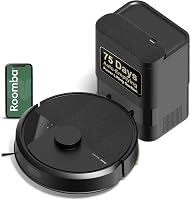
The Roomba Max 715 suits busy pet homes with recurring messy areas. Advanced Dirt Detect targets larger messes with extra passes, while PrecisionVision AI is designed to respond to objects such as cords, toys and pet waste.
Its AutoEmpty dock uses odor-control AllergenLock bags, with iRobot claiming up to 90 days between changes. Choose it if those cleaning controls and bagged disposal fit your routine; skip it if you prefer a bagless base.
Clear pet accidents before every run. Obstacle avoidance adds help around household clutter, but you should still remove hazards that could tangle, spill or spread.
Is a self-emptying base worth having for carpet?
It is useful when frequent carpet cleaning fills the bin quickly, especially with shedding pets. It reduces manual emptying, but the brush, filter and wheels still need care.
Choose bagged or bagless disposal based on the chore you prefer. Bags need replacements; a bagless base needs its collection container emptied and maintained.
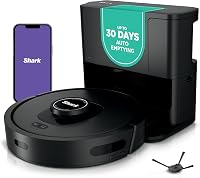
The Shark AV2501S suits pet owners who want bagless disposal and repeated coverage. It combines LiDAR mapping with a self-cleaning brushroll designed to limit hair wrap.
Its base holds up to 30 days of debris and has true HEPA filtration. Shark claims it captures 99.97% of dust and allergens down to 0.3 microns, which concerns filtration rather than how much embedded dirt leaves your carpet.
Choose it if avoiding replacement dust bags matters. Skip it if you prefer sealed bag changes; our guide to what a self-empty station does explains the upkeep involved.
How should you set up a robot vacuum for carpet?
Start with a clear floor and a supervised first run so you can find trouble spots before scheduling unattended cleaning. Give the dock the clearance required by the manual and leave a clear return path.
Pick up cords, socks and small toys, then check rug corners and fringe. Watch the robot cross each floor transition and turn on your thickest carpet.
Use room controls or no-go zones, where available, to exclude areas that cause repeated stops. For a vacuum-and-mop model, keep wet cleaning off carpet according to its instructions.
Start with a manageable room schedule and adjust it to shedding and foot traffic. If a busy entryway needs more attention, target that room rather than running the whole home more often.
What care and common mistakes affect carpet pickup?
Keep the brush turning freely and the airflow clear to maintain routine pickup. Check the bin and brush after early runs, then build a care schedule around the debris you find.
Remove hair from brush ends and wheels, and clean filters only as the manual allows. Let any washable parts dry fully before putting them back.
Avoid these common mistakes:
- Running with a full bin: inspect it more often during heavy shedding.
- Using maximum suction everywhere: raise power where needed rather than assuming every room needs it.
- Ignoring repeated stops: fix rug edges or exclude unsuitable carpet.
- Treating anti-tangle as maintenance-free: check moving parts for wrapped hair.
- Vacuuming damp spills: keep liquid cleanup separate from dry carpet cleaning.
For the full routine, see how to clean a robot vacuum. If pickup drops suddenly, check for a blockage or stalled brush before changing your schedule.
Can a robot vacuum replace an upright vacuum on carpet?
Keep a full-size vacuum for deeper cleaning, even if the robot handles daily debris. Embedded grit, carpeted stairs and tight edges still need tools a robot cannot always reach.
Follow your carpet's care instructions for full-size vacuuming frequency. A robot's main benefit is keeping loose debris under control between those sessions.
If you're choosing your first vacuum, compare robot vacuum vs stick vacuum for pet hair before deciding which job matters most.
Which robot vacuum should you choose for your carpet?
Robot vacuums work on carpet when pile, access and upkeep fit the machine. Confirm that fit first, then choose the features that remove your most frequent chore.
Choose ILIFE A30s for vacuum-only room cleaning with manual bin emptying. Choose Roborock Q7 M5+ for mixed floors when you also want a mop and bagged automatic disposal.
Choose Shark AV2501S for bagless emptying and repeated grid coverage. Choose Roomba Max 715 for pet homes that want extra attention to messier areas and object recognition.
For thick or delicate carpet, settle compatibility before ordering any model. Then compare our best robot vacuums for carpet and pet hair to narrow your choice.
Frequently asked questions
Do robot vacuums work on carpet?
Yes, robot vacuums work on many carpets, especially low-pile carpet and firm area rugs, where they can collect loose dust, crumbs and pet hair through regular cleaning. Choose a model suited to your carpet, clear loose cords and fringe, and keep a full-size vacuum for embedded dirt.
Can a robot vacuum clean thick carpet?
Some robot vacuums can clean thick carpet, but you need to confirm the model's carpet guidance before buying because deep fibers can hinder movement and brush contact. Carpet boost increases suction; it does not establish pile compatibility or ensure the robot can climb a thick rug edge.
Do robot vacuums need carpet boost?
No, carpet boost is not essential for every carpet, but it is useful when a robot moves between hard floors and rugs because it changes suction automatically. Manual suction controls can also help, provided you choose a suitable setting and the brush can turn freely on your carpet.
How often should I clean a robot vacuum after carpet?
Check the brush and dustbin after each run at first, especially in a shedding household, then adjust the routine to match how quickly debris builds up. Follow the manual for filter care, remove wrapped hair promptly, and remember that a self-emptying dock does not clean the brush or sensors.