Robot Vacuum vs Stick Vacuum for Pet Hair: Which Is Better? (October 2026)
For robot vacuum vs stick vacuum, choose a robot for scheduled floor pickup or a stick for stairs, furniture and targeted dry messes. If you're buying your only vacuum, put surface coverage first.
On this page (12 sections)
- Robot vacuum vs stick vacuum: which fits your home?
- Where each type helps, and where it falls short
- Is either type better for carpet and pet hair?
- Which of these vacuums should you buy?
- How much daily effort will each type save?
- How should you set up a robot or stick vacuum?
- What care keeps pet hair from slowing cleanup?
- Which common mistakes should pet owners avoid?
- When does owning both types make sense?
- The key differences at a glance
- Sources for care and setup
- Robot vacuum vs stick vacuum: make the final choice
In the robot vacuum vs stick vacuum choice, buy a robot for frequent floor pickup and a stick for stairs, furniture and messes you want to tackle immediately. If this will be your only vacuum, choose the one that reaches all your essential cleaning areas.
For pet homes, the key question is where fur collects. Open floors favor automation; sofa cushions, stair treads and awkward gaps call for a tool you can direct.
The Roomba 105 Vac, Levoit Cordless Pet Stick and Shark Pet Cordless Stick serve different routines. Start with the job you need done, then compare the features that support it.
Robot vacuum vs stick vacuum: which fits your home?
A robot suits repeat floor cleaning, while a stick suits a wider mix of surfaces. Floor access and your willingness to guide a vacuum matter more than choosing a particular brand.
A robot makes sense when hair returns faster than you want to vacuum. It can cover accessible rooms while you do something else, provided you prepare the route first.
A stick makes sense when your cleaning moves between floors, furniture and small dry spills. You decide where to slow down, change direction or fit an attachment.
If moving a vacuum around is difficult, a robot can reduce the work of routine floor passes. It still leaves brush care, bin checks and above-floor cleaning for someone to handle.
Our robot vacuums for pet hair buying guide explains which robot features matter once you've decided that floor automation fits.

Robot or stick vacuum when you're buying only one?
A stick is the more practical single-vacuum choice if stairs and upholstery are part of your weekly cleaning. A floor-only machine leaves those jobs uncovered.
Choose a robot first if another vacuum already handles furniture and deeper manual cleaning. That gives the robot a clear role: reducing the loose hair and debris that accumulate between those sessions.
Where each type helps, and where it falls short
A stick reaches more kinds of cleaning areas, while a robot handles only floors it can enter and travel across. Walk through your rooms before buying and note the places you currently struggle to clean.
On open hard floors, a robot can follow a recurring route without you pushing it. Around dining chairs, crowded corners and narrow furniture gaps, access may limit how much floor it can cover.
A stick lets you move a chair and clean the space immediately. You can also switch tools for cushion gaps or fur caught along a stair edge.
Under furniture, measure the opening rather than judging by appearance. A robot needs clearance for its body, while a stick needs room for its floor head and enough space to move the handle.
Neither format solves clutter by itself. If every floor clean starts with moving toys, laundry and charging cables, include that preparation in your idea of the work involved.
Is either type better for carpet and pet hair?
A stick offers control over carpet passes, while a robot offers frequent repeat coverage. Carpet pile, loose rug edges and trapped hair affect which approach is useful in your rooms.
The Roomba 105 Vac has a multi-surface brush and an edge-sweeping brush. The Shark Pet Cordless Stick supports carpets, rugs and bare floors with a bristle brushroll.
For hair caught in a small carpeted area, manual control lets you approach from another direction and inspect the result before moving on. Repeated robot runs suit loose hair that keeps collecting across accessible rooms.
Check your carpet maker's care instructions, especially for delicate rugs, fringe and loose fibers. Don't keep forcing a vacuum across a rug that catches or bunches.
Read whether robot vacuums work on carpet for the broader fit questions. Our guide to robot vacuums for thick carpet covers taller pile and rug transitions.
Which of these vacuums should you buy?
Choose the Roomba for automated floors, Levoit for hair-wrap concerns, or Shark for furniture and stairs. Their scores stay useful within that context: the highest-scoring floor robot still cannot clean a sofa.
Roomba 105 Vac: choose it for recurring floor routes
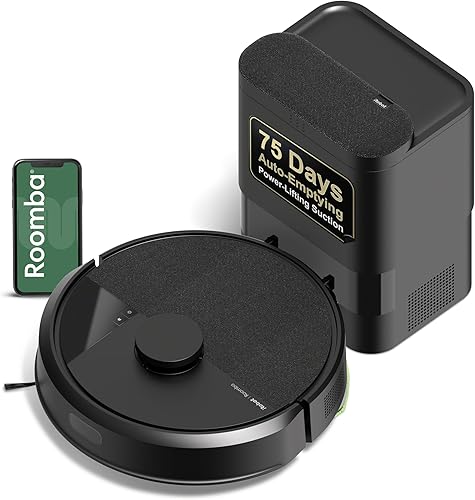
The Roomba 105 Vac suits a home with accessible floors and a regular cleaning schedule. ClearView LiDAR maps rooms, and the app supports room selection, keep-out zones, suction adjustments and extra passes.
Its spot-cleaning option repeatedly covers one area for up to 5 minutes. That's useful for a dry patch needing extra attention, though fetching a stick may suit an urgent small mess better.
iRobot says the AutoEmpty dock holds up to 75 days of debris. Actual bag-change timing depends on what your home produces, so check it rather than relying on a calendar.
Skip this as your only machine if you need stairs and upholstery cleaned. Also skip it if you cannot give the dock a suitable permanent location or keep floor routes reasonably clear.
Levoit Cordless Pet Stick: choose it for long-hair cleanup
The Levoit suits buyers who want direct control and a brush designed to reduce hair wrap. It includes a 2-in-1 pet tool and a dusting brush that doubles as a crevice tool.
It lies 180 degrees flat for under-furniture reach, with 3 LED lights to reveal dust. Check your furniture clearance so the head can move through the space you want cleaned.
Levoit gives up to 50 minutes with the crevice or pet tool in Eco mode, 30 minutes with the vacuum head, and 12 minutes in Turbo. Plan around the head and power setting you'll actually use.
Skip it if your main goal is cleaning without guiding a vacuum. For longer sessions, Levoit offers an extra genuine battery, but that adds another item to charge and store.
Shark Pet Cordless Stick: choose it for above-floor jobs
The Shark suits homes where pet hair spreads onto furniture and stairs. Its removable handheld unit works with the included Pet Multi-Tool and crevice tool.
Shark gives up to 40 minutes of runtime at the handheld in standard mode. Don't plan a floor-cleaning session around that maximum as though every attachment and setting delivers the same duration.
For storage, detach the handheld and clip it at the wand base to create a compact freestanding arrangement. This matters if you want it within reach without leaving the full vacuum leaning against a wall.
Skip it if you primarily want automated daily coverage. Its value here is the ability to bring the cleaning tool to the mess.
How much daily effort will each type save?
A robot reduces time spent guiding floor passes, but a stick avoids mapping and route management. Compare the whole routine, including preparation, emptying and putting the machine away.
For a robot, the recurring tasks include checking the floor, inspecting the brush and keeping the dock accessible. A self-empty dock reduces manual bin emptying but doesn't remove those other jobs.
A stick needs your attention throughout the clean. In return, you can deal with a single patch, empty the cup and finish without preparing an entire room.
Separate floor-cleaning effort from dust disposal when comparing features. Our guide to what a self-empty station does explains which part of the routine a dock takes over.
For either type, place storage where you'll actually use it. A machine buried behind household items is less convenient than one with a clear charging spot near your usual cleaning area.
How should you set up a robot or stick vacuum?
Give a robot a clear dock location and a supervised first route; give a stick a charging spot and organized tools. Good setup prevents small obstacles from becoming repeated chores.
For the Roomba, follow the dock-clearance instructions in its manual and leave the approach open. Start with an uncluttered floor so you can see where furniture, rug edges or cables interrupt travel.
It needs a 2.4 GHz network for setup and operation. If that affects your home network, read whether a robot vacuum needs Wi-Fi before buying.
Once rooms are mapped, schedule around your household routine. Avoid times when pet bowls, play areas or moving chairs are likely to block the route.
With a stick, charge it before the first planned clean and learn how each attachment locks into place. Keep the pet and crevice tools together so switching surfaces doesn't become a search.
Try the grip and movements you'll use most before committing to long sessions. For stairs, work from a stable position and avoid reaching farther than you can comfortably control.
What care keeps pet hair from slowing cleanup?
Regular brush and airflow checks matter for both formats. Empty collected debris before it crowds the container, and follow the manual for filters, brush removal and blockages.
Long hair can wrap around brush ends even when the visible center looks clear. Turn the vacuum off before removing hair, and use only the cleaning method the manual allows.
Levoit recommends replacing its filter every 3 months. Don't assume another vacuum has the same replacement schedule or that every filter can be washed.
If a washable part is allowed, let it dry fully before refitting it. Running a vacuum with damp parts can create problems that routine dry cleaning would avoid.
For detailed robot care, use our guide to cleaning a robot vacuum. If wrapped strands are the recurring issue, see how to stop pet hair tangling in a robot vacuum brush.
Which common mistakes should pet owners avoid?
The biggest mistakes are buying for the wrong surface, reading maximum runtime as a promise, and skipping floor checks. Each can turn a useful vacuum into a poor fit.
Don't choose a robot mainly to solve fur on furniture. Count the sofa, pet beds and stairs as separate cleaning jobs before deciding that floor automation is enough.
Don't compare cordless runtimes without their conditions. Tool choice and power mode determine how much of the quoted maximum applies to your routine.
Don't confuse obstacle navigation with pet-waste recognition. Clear accidents yourself before any robot run; our guide to robot vacuums and pet accidents explains the precautions.
The Levoit and Roomba are intended for dry cleaning. Use a suitable separate method for liquids and wet pet messes, and check the Shark manual before tackling any uncertain material.
Don't press harder to compensate for weak pickup. Stop to check the container, brush and airflow path before making repeated passes over the same patch.
When does owning both types make sense?
Both types make sense when frequent floor shedding and above-floor fur are separate daily problems. Buy the second machine to cover a clear gap in your current routine.
A robot can handle accessible floors on a schedule while a stick handles the sofa and stairs. That division works best when you still plan occasional manual attention for floor areas the robot misses.
If you already own a suitable manual vacuum, you may not need a new stick alongside a robot. Keep the tool that covers those remaining jobs and add automation only where it saves you effort.
Allow space and care time for both machines. Two charging locations, two debris containers and separate brushes can outweigh the convenience in a small home.
The key differences at a glance
Compare surface reach, control and disposal before focusing on extra features. These differences shape the work you'll do every week.
| Product | Best for | Format | Control | Dust disposal | Our score |
|---|---|---|---|---|---|
| Roomba 105 Vac | busy homes with open floors | Floor-cleaning robot | App, buttons and supported voice assistants | AutoEmpty dock with bag | 8.2 |
| Levoit Cordless Pet Stick | homes with long-haired pets | Cordless stick | Push button | One-click dustbin emptying | 7.7 |
| Shark Pet Cordless Stick | sofa and stair cleanup | Cordless stick and handheld | Push button | Removable cup with CleanTouch Dirt Ejector | 7.4 |
The Roomba's role is recurring floor coverage. The two sticks need your time during use, but their tools let you follow pet hair beyond the floor.
Sources for care and setup
Use the manual for your exact model for charging, brush removal, filter care and approved surfaces. General category advice cannot replace instructions for a particular part.
For manufacturer support, visit iRobot's website. Keep the Shark or Levoit manual accessible before fitting attachments or clearing a blockage.
Robot vacuum vs stick vacuum: make the final choice
Choose a stick first if this is your only vacuum and you need to clean floors, stairs and furniture. Choose a robot first if your existing tools cover those other surfaces and recurring floor pickup is the chore you want to reduce.
Among these options, pick the Roomba for scheduled room cleaning, Levoit when hair wrap drives your brush-care workload, or Shark when a removable handheld fits your sofa and stair routine.
Before ordering, name the job the new machine will take over and where you'll store it. If the robot side of this robot vacuum vs stick vacuum decision still needs thought, read whether robot vacuums are worth it for pet owners.
Frequently asked questions
Is a robot vacuum or stick vacuum better for pet hair?
A robot vacuum is better for frequent pickup on accessible floors, while a stick vacuum covers more surfaces, including stairs and furniture. Choose around where fur collects and how much time you can spend cleaning; homes with steady floor shedding and hairy upholstery can benefit from both.
Can a robot vacuum replace a stick vacuum?
A robot can replace some routine floor passes, but it cannot take over stairs, upholstery or other above-floor jobs. Keep a suitable manual vacuum if those areas collect dirt or fur; before replacing your only vacuum, walk through your home and identify every surface the robot cannot reach.
Which type is better for carpet and pet hair?
Choose by carpet fit and cleaning needs, rather than format alone; a stick lets you control the direction and number of passes, while a robot can repeat accessible floor routes on a schedule. Check carpet-care guidance, rug edges and transitions before deciding which approach suits your rooms.
Do robot vacuums need to run every day for pet hair?
No, the right schedule depends on shedding and how quickly hair builds up in busy rooms; start with the areas your pet uses most, then adjust the frequency after checking the floors and brush. Before every run, remove cords, loose fabric, wet messes and pet waste.
How do I reduce hair tangles in a vacuum?
Check the brush regularly and remove wrapped hair as the manual directs, even with an anti-tangle design; pay attention to the brush ends, where strands can gather out of sight. Our guide to stopping pet hair tangles explains how to build brush care into your routine.