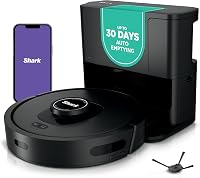
Are Robot Vacuums Worth It for Pet Owners?
Robot vacuums are worth it for pet owners with frequent floor mess who can keep cleaning paths clear. Choose a model that fits your floors and upkeep routine, and keep another vacuum for stairs, furniture and deeper cleaning.
On this page (7 sections)
- Are robot vacuums worth it for pet owners?
- Which features will save you the most work?
- Which robot vacuum suits your pet home?
- How should you set up a robot vacuum around pets?
- How much care does a pet owner's robot vacuum need?
- Which mistakes make a robot vacuum poor value?
- How should you decide if a robot vacuum is worth it?
Robot vacuums are worth it for pet owners who need frequent floor cleanup and can give the machine clear paths. They offer the most help when loose hair and crumbs return daily, even though the rest of the house doesn't need a full clean.
The useful question is how much manual floor work a robot would remove from your week. A model that fits your floors and routine can save effort; one that needs constant rescuing can become another chore.
Are robot vacuums worth it for pet owners?
Yes, when repeat floor cleaning is the job you want to reduce. Their value comes from running regularly between deeper cleans, especially across accessible hard floors and suitable carpet.
Picture where your pet leaves hair over a normal week. Hair along hallways and under beds gives a robot a useful job, while fur covering a sofa still calls for an upholstery tool.
Also count the work around each run. Clearing a few toys and emptying a bin may be worthwhile; moving piles of clutter every day may erase much of the benefit.
For help matching features to shedding patterns, start with our robot vacuums for pet hair buying guide.
Which features will save you the most work?
Prioritize floor fit, hair handling and useful controls before runtime or suction numbers. The right combination depends on where the mess collects and which chores you want to reduce.
Check these points before choosing:
- Floor surfaces: Separate hard floors, low-pile carpet and deeper rugs when assessing compatibility.
- Furniture clearance: Measure the lowest gap you want cleaned, leaving room for the robot to move freely.
- Hair handling: Long strands make brush access and tangle control especially useful.
- Bin emptying: Heavy shedding makes a self-empty dock more valuable.
- Cleaning areas: Room targeting helps when you want the kitchen cleaned without sending the robot through every bedroom.
- Controls: Choose a remote for simple starts or an app for schedules, maps and room settings.
Our guide to robot vacuums on carpet explains why pile depth matters. If thick rugs cover much of your floor, read about robot vacuums for thick carpet before choosing.
Runtime is a secondary filter. An “up to” figure doesn't promise the same coverage in every home, since floor type, cleaning settings and obstacles affect each session.
Which robot vacuum suits your pet home?
Choose the model that addresses your main cleaning chore. These 4 options serve different buyers, from simple remote operation to mapped cleaning with automatic emptying.
Are robot vacuums worth it for pets with long hair?
They can be, especially when the design reduces the brush work long strands create. The ILIFE V2 suits mostly hard-floor homes where hair wrap and simple controls are the main concerns.
It uses a tangle-free suction port without a roller brush and supports hardwood, tile, laminate, stone and low-pile carpet. Its 2.99 in height also makes furniture clearance worth measuring before you buy.
You can operate it with a physical remote or its button without Wi-Fi, set a cleaning schedule, and choose auto, spot or edge modes. It runs for up to 120 minutes and returns to its dock when the battery gets low.
Skip it if you need mapped room targeting or have deeper carpet as your main cleaning surface. The 300 ml bin also makes frequent emptying a practical consideration in a heavily shedding home.
For a care routine that addresses strands around moving parts, read how to stop pet hair tangling in a robot vacuum brush.
Which option suits low furniture and simple controls?
The eufy 11S MAX suits buyers who want a slim robot without an app. Its 2.85 in body is the lowest of these options with a stated robot height, which can matter under sofas and bed frames.
It supports hard floors through medium-pile carpet and uses BoostIQ to adjust suction. The 600 ml bin gives it more debris space than the ILIFE V2, though shedding still determines how often you'll empty it.
Eufy describes its noise as similar to a microwave, and its runtime reaches up to 100 minutes on hardwood. Use that noise comparison as a starting point when deciding when to run it around people and pets.
Choose it for remote and onboard-button operation. Skip it if you want phone controls or app-based room targeting, since it doesn't support Wi-Fi or app connectivity.
Who benefits from a vacuum-and-mop with automatic emptying?
The Roborock Q7 M5+ suits pet homes needing mapped vacuuming and a mop option. Its app lets you schedule cleaning, start spot cleaning and set no-go zones around areas you want left alone.
LiDAR mapping helps plan cleaning paths, while its main and side brushes use anti-tangle designs. Those features suit multiroom cleaning and long hair, but brushes still need inspection.
The dock uses a 2.7 L sealed bag, and Roborock advertises up to 7–9 weeks between bag changes. A home with heavy shedding may fill it sooner.
Its mop has 3 water-flow settings. Choose it if wiping suitable hard floors would be useful, but plan for mop care and don't expect routine mopping to handle pet accidents.
Skip it if you want remote-only operation or won't use the mop. The app requires 2.4 GHz Wi-Fi, so check your network before setup.
For the practical tradeoffs, see what a self-empty station does.
Who should choose mapped vacuuming without a mop?
The Roomba 105 Vac suits buyers who want room controls and automatic emptying without mop care. Its LiDAR mapping and app let you target rooms, create keep-out zones and adjust suction and cleaning passes.
That makes it useful when hair gathers in a few busy areas. You can schedule those rooms rather than sending the robot through the whole home each time.
IRobot advertises up to 75 days between AutoEmpty bag changes, though your debris load determines the actual interval. You can use app, button or compatible voice controls, and setup and operation require 2.4 GHz Wi-Fi.
Skip it if cleaning beneath very low furniture is essential: the robot is 4.1 in tall. Choose another option if you specifically want floor mopping.
How should you set up a robot vacuum around pets?
Start with a supervised run on a cleared floor. This reveals trouble spots before you rely on a schedule and gives your pet time to get used to the machine.
Place the dock on a level surface with the clearances required by the manual. Keep its approach free of shoes, bowls and loose cables so the robot can return.
Lift cords, toys, socks and loose rug edges. Check for spills and pet waste before every run, even after mapping is complete.
Mapping helps organize cleaning, but it doesn't establish that a robot can recognize an accident. Our guide to robot vacuums and pet accidents explains how to reduce that risk.
Watch where the robot gets caught during the first sessions. Adjust furniture, secure cables or use supported keep-out controls, then schedule cleaning when the floor is usually clear.
How much care does a pet owner's robot vacuum need?
Expect bin, brush, wheel and filter care, even with automatic emptying. Check after the first few runs to learn how quickly your home's hair and dirt collect.
Empty a manual bin before debris packs tightly inside. Remove strands from brushes, wheel axles and side brushes, and wipe sensors and charging contacts as directed.
Follow the manual for filter cleaning and replacement. Don't assume a filter is washable, and let any washable parts dry fully before putting them back.
For a mop model, clean the pad and manage the water tank according to its instructions. Our robot vacuum cleaning guide walks through the wider care routine.
Which mistakes make a robot vacuum poor value?
The biggest mistake is buying for features your home won't use. A mop adds work if you only want dry pickup, while room controls add little if you always clean one open area.
Don't choose by suction figures alone. Access, brush design, floor compatibility and a clear route all affect whether the robot can do its job.
Also avoid treating anti-tangle features as permission to ignore brushes or advertised bag intervals as a fixed schedule. Check actual buildup rather than waiting for a promised number of weeks.
Finally, keep another tool for stairs, upholstery and deeper cleaning. A robot won't save much effort if those surfaces account for most of your pet hair problem.
How should you decide if a robot vacuum is worth it?
Robot vacuums are worth it when the floor work saved exceeds the preparation and care required. Choose the ILIFE V2 for straightforward hard-floor hair pickup, or the eufy 11S MAX when low furniture and remote controls lead your checklist.
Pick the Roborock Q7 M5+ if you'll use both mapped vacuuming and mopping. Choose the Roomba 105 Vac if you want room targeting and automatic emptying with a dry-cleaning routine.
Skip a robot for now if clutter, unsuitable rugs or furniture-bound hair leave little reachable floor work. Use our pet hair and carpet guide to explore floor needs, or compare the jobs directly in robot vacuum vs stick vacuum for pet hair.
Frequently asked questions
Are robot vacuums worth it for pet hair?
Yes, if loose hair builds up on accessible floors and frequent runs would reduce your manual vacuuming. Match the robot to your floor type and hair length, then allow time for bin, brush and filter care; keep another vacuum for upholstery, stairs and deeper carpet cleaning.
Do robot vacuums work well with dogs and cats?
Robot vacuums can help with the loose hair and tracked-in dirt that dogs and cats leave on floors. Clear toys, cords, pet waste and spills before each run, and watch your pet during the first sessions; schedule cleaning for a time when your pet can settle elsewhere.
Should pet owners get a self-emptying robot vacuum?
Choose a self-emptying model if frequent hair pickup would make manual bin emptying a chore. You'll need room for the dock and replacement bags, and you'll still clean brushes, wheels and filters; treat advertised bag-change intervals as upper limits because shedding and cleaning frequency affect how quickly bags fill.
Can a robot vacuum replace a regular vacuum for pet owners?
A robot vacuum usually works best alongside a regular vacuum; it handles frequent floor pickup, while a vacuum with suitable attachments reaches stairs, upholstery, narrow gaps and areas behind furniture. Homes with embedded carpet hair may also need deeper cleaning beyond the robot's routine passes.