What Is a Self-Empty Station on a Robot Vacuum?
A robot vacuum with a self empty station moves dirt from its onboard bin into a larger dock container after cleaning. Choose a bagged dock for bag disposal or a bagless dock to avoid replacement dust bags.
On this page (7 sections)
- How does a robot vacuum with a self-empty station work?
- Should you choose a bagged or bagless station?
- How much station capacity do you need?
- Is a self-empty station useful for pet hair and carpet?
- How should you set up the robot and station?
- What care and common mistakes should you plan for?
- Which robot vacuum with a self-empty station should you choose?
A robot vacuum with a self empty station moves collected dirt into a larger dock container, so you empty the robot’s small bin less often. It makes frequent cleaning easier, especially in homes with shedding pets.
Choose the disposal method first, then match the robot to your floors and cleaning routine. A large station won't solve brush tangles, cluttered floors, or a poorly placed dock.
How does a robot vacuum with a self-empty station work?
A self-empty station draws loose debris out of the robot’s onboard bin through a transfer opening and stores it in a larger container. The robot docks for this process, with the timing and controls varying by model.
The station also serves as the robot’s charging base. Charging, emptying, and returning to finish an unfinished job are separate features, so don't assume every docked robot handles them the same way.
A self-empty dock handles dry debris. It does not, by itself, mean a robot can mop or that its station washes mop pads, refills water, or dries anything.
For a broader feature checklist, read how to choose a self-emptying robot vacuum. Start with the jobs you want automated before comparing dock capacity.
Should you choose a bagged or bagless station?
Choose bagged disposal if you prefer removing a filled bag, or bagless disposal if you want to avoid replacement dust bags. Either design still needs space, checks, and occasional cleaning.
With a bagged station, you remove the collected debris with the bag rather than tipping loose dirt into the trash. Keep a spare bag available so a full station doesn't interrupt your routine.
A bagless container removes that supply item, but you must pour out its contents. Empty it carefully over a trash container and follow the instructions for cleaning its filters and dust compartment.
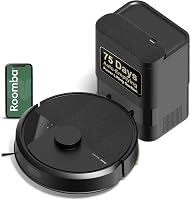
Roomba 105 Vac: a robot vacuum with a bagged self-empty station
The Roomba 105 Vac suits buyers who want bag disposal and control over which rooms get cleaned. Its app supports room targeting, keep-out zones, adjustable suction, and cleaning passes.
iRobot describes its AutoEmpty dock as holding up to 75 days of debris. Treat that as capacity guidance rather than a promise that your bag will last that long.
Choose this model if you'd rather replace a bag than empty loose dust. Skip it if avoiding replacement bags is a firm requirement or you want a vacuum-and-mop combination.
Shark AV2501AE: for pet homes that prefer bagless disposal
The Shark AV2501AE fits buyers who want a bagless station with HEPA filtration. Shark describes the base as holding up to 60 days of debris and its true HEPA filtration as trapping 99.97% of dust and allergens down to 0.3 microns.
Its self-cleaning brushroll gives pet owners another useful feature beyond the dock. Shark's Matrix Clean Navigation uses multiple passes in a grid pattern.
Choose it if bagless disposal and base filtration are your priorities. Skip it if you prefer throwing away a filled bag instead of pouring debris out of a container.
How much station capacity do you need?
Choose capacity around how much debris your home produces, rather than the longest advertised interval. A shedding pet, tracked-in grit, or several busy rooms can fill a station sooner than a lightly used space.
More frequent cleaning also moves debris into the station more often. During the first few weeks, inspect the container regularly and use what you find to set a realistic checking schedule.
Don't confuse the robot’s onboard bin capacity with the station’s storage capacity. The robot carries debris during cleaning; the dock stores it between disposal trips.
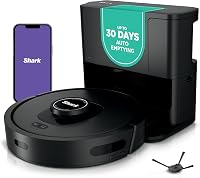
Shark AV2110S: for routine bagless cleaning
The Shark AV2110S suits buyers who want bagless disposal and scheduled cleaning without making a long storage interval the main goal. Shark gives its station an up-to-30-day capacity.
It combines LiDAR-based SmartPath row cleaning with an anti-hair-wrap brushroll. The SharkClean app supports schedules, targeted cleaning, and no-go zones.
Choose it if checking the base more often fits your routine. Skip it if your main reason for buying a station is to stretch the time between emptying as far as possible.
Roborock Q7 M5+: for homes that also want mopping
The Roborock Q7 M5+ suits buyers who want vacuuming and mopping in one robot. Its mop has 3 water-flow settings, while the dock collects dry debris in a sealed 2.7 L bag.
Roborock describes the interval between bag changes as up to 7–9 weeks. Its dual anti-tangle system uses a JawScrapers main brush and an anti-tangle side brush to resist hair wrap.
Choose it if you want mopping for suitable hard floors and accept separate mop care. Skip it if you only want dry pickup or don't want to manage a damp pad after cleaning.
For help deciding whether that extra task is worthwhile, compare a robot vacuum and mop with a vacuum-only robot.
Is a self-empty station useful for pet hair and carpet?
A self-empty station helps with frequent disposal, while the robot’s brush and cleaning system handle pickup. Compare both parts of the machine if pet hair is your main concern.
Long hair can wind around brush ends and axles even when a brush is designed to resist tangles. Inspect those areas early in your cleaning routine rather than waiting for a visible knot.
If hair keeps wrapping around the roller, follow our guide to stopping pet hair tangles in a robot vacuum brush. Our robot vacuum guide for pet hair covers the wider buying choices.
For carpet, consider rug thickness, fringe, and transitions between rooms. A roomy dock won't help a robot that cannot cross a threshold or move freely over your rugs.
Read how robot vacuums work on carpet before choosing for a rug-heavy home. For model comparisons focused on shedding, see the best self-emptying robot vacuums for pet hair.
How should you set up the robot and station?
Put the station on a level surface with the clearance its manual requires, near an outlet and where the robot has a clear approach. Leave room to remove the dust container or lift out a bag.
Avoid squeezing the dock behind furniture just to hide it. You need access for upkeep, and the robot needs a reliable route home.
Before the first mapping run, pick up cords, socks, small toys, and loose rug fringe. Check for pet accidents before every scheduled clean rather than relying on obstacle sensors to recognize them.
Keep doors open to the rooms you want mapped and watch the first full run. Use supported no-go zones for trouble spots, then keep the station in its established position.
Check Wi-Fi requirements before setup. The Roomba 105 Vac and Roborock Q7 M5+ use 2.4 GHz Wi-Fi for their connected controls.
Schedule cleaning while you're available at first. Once the route works reliably, choose times that avoid naps, calls, or other quiet periods because debris transfer can be loud.
What care and common mistakes should you plan for?
Check the robot as well as the station, even when automatic emptying appears to work. A dock can remove loose dirt without clearing hair wrapped around a roller or debris stuck in a transfer passage.
Use a simple routine:
- Check the bag or container against its fill limit.
- Look for debris left in the onboard bin after emptying.
- Remove hair from brushes, brush ends, and wheels.
- Clean sensors, charging contacts, and filters as directed.
- Inspect the dock intake if emptying becomes incomplete.
Unplug the station before clearing a blockage and follow the manual. Don't wash filters or other parts unless the instructions allow it, and let washable parts dry fully before reinstalling them.
A common mistake is treating advertised storage days as a countdown. Another is replacing a bag without checking why dirt remains in the robot, which may leave a blocked passage unresolved.
For a full care routine, see how to clean a robot vacuum.
Which robot vacuum with a self-empty station should you choose?
Choose a robot vacuum with a self-empty station when frequent bin emptying is the chore you want to reduce. If your cleaning area is small and debris is light, manual emptying may already fit your routine.
Pick the Roomba 105 Vac for bag disposal and room controls, or the Shark AV2501AE for a bagless base with HEPA filtration. Choose the Shark AV2110S if regular bagless emptying suits you, or the Roborock Q7 M5+ if you also want mopping.
If dry pickup is all you need, compare the best robot vacuums without a mop. For more station choices, explore our self-emptying robot vacuum guides.
Frequently asked questions
What does a self-empty station do?
A self-empty station transfers dry debris from the robot’s onboard bin into a larger dock container, usually after cleaning. Depending on the model, you dispose of that debris by replacing a dust bag or emptying a bagless container, while brushes, filters, and other parts still need separate care.
How often do you empty a robot vacuum station?
Empty a bagless station or replace its bag when it reaches the model’s fill limit, rather than waiting for an advertised number of days. Pet shedding, floor dirt, and cleaning frequency affect how quickly it fills, so check it often during the first few weeks to learn your household’s routine.
Do self-empty robot vacuums still need maintenance?
Yes, self-empty robot vacuums still need brush, filter, wheel, sensor, and dock checks. Automatic emptying handles loose debris in the onboard bin, but it cannot remove every strand wrapped around a brush or clear every blockage, so follow the model’s care instructions and inspect parts when pickup or emptying changes.
Is a self-empty station worth it for pet hair?
A self-empty station is useful when frequent shedding makes manual bin emptying a chore, especially if you want regular scheduled cleaning. Choose the brush design and disposal method as carefully as dock capacity, since hair can still wrap around moving parts and a busy pet home can fill the station sooner.