Robot Vacuum and Mop vs Vacuum Only for Pet Homes: Which Is Better? (October 2026)
For robot vacuum and mop vs robot vacuum, choose a combo for regular light mopping on suitable hard floors. Choose vacuum only if loose fur and carpet are your main jobs, or you prefer fewer care steps.
On this page (9 sections)
- What changes between a robot vacuum and mop vs a robot vacuum?
- Which floor layouts suit each type?
- Which pet messes can a robot handle?
- Which of these 3 robots should you buy?
- Which features matter more than the mop label?
- How should you set up the first cleaning runs?
- What extra care does a mop combo need?
- Which buying and use mistakes should you avoid?
- Which should you choose for your pet home?
For robot vacuum and mop vs robot vacuum, choose a combo when regular light mopping would save you work on suitable hard floors. Choose vacuum only when loose fur, crumbs and carpet are the main jobs, or you want fewer parts to clean.
The mop is an extra floor-care tool, not a reason to accept a poor fit for your rugs or daily routine. Both types need clear routes, brush care and prompt cleanup of pet accidents.
Of the 3 options here, the Roborock Q7 M5+ adds mopping. The Roomba 105 Vac and ILIFE A30s focus on dry pickup.
What changes between a robot vacuum and mop vs a robot vacuum?
The main difference is a damp cleaning pass after dry debris pickup. A vacuum-only robot collects loose material, while a combo also carries a mop that needs preparation and cleaning.
On hard floors, vacuuming collects fur, litter crumbs and grit before they get tracked between rooms. Mopping adds a wipe for fine dust and light surface dirt that remains.
That extra step matters most if you already damp-mop open floor space often. It adds less value if your hard flooring is limited to a small bathroom or kitchen that you can wipe quickly yourself.
Neither type replaces every floor-cleaning tool. Stairs, upholstery, tight gaps and stubborn marks still need separate attention.
For a broader look at fur-focused choices, start with our robot vacuum guide for pet hair. If you're unsure about the daily value, read are robot vacuums worth it for pet owners?.
Which floor layouts suit each type?
A combo suits large, connected areas of mop-safe hard flooring. Vacuum only is the easier fit when carpet and rugs cover most of the route.
Count the floor area the robot can actually reach, rather than every room in your home. Furniture, closed doors and steps can leave a robot with much less useful space than your floor plan suggests.
Robot vacuum and mop vs vacuum only in mixed-floor homes
Choose a combo for mixed floors only if you can keep wet cleaning separate from rugs. A mostly hard-floor home with one movable rug is easier to plan around than a route filled with runners and scattered mats.
Do not assume a combo lifts its mop, recognizes every rug or manages carpet automatically. For these choices, confirm the carpet-handling instructions before planning a damp run.
If reaching the kitchen means crossing a carpeted hallway, think through that trip before buying. You may need separate cleaning sessions and changes to the mop setup according to the manual.
For more help with the dry-cleaning side, see our guide to pet hair and carpet.
When vacuum only is the better fit
Choose vacuum only if your main goal is frequent fur pickup across bedrooms, rugs and living areas. It also suits households that prefer to mop by hand with a floor-approved method.
A shedding pet does not create a need for a mop by itself. Fur needs dry collection, so brush access, bin care and reliable room coverage deserve priority.
Thick or loose rugs need extra thought whichever type you choose. Our guide explains whether a robot vacuum can handle thick carpet and rugs, including the floor conditions that can complicate a route.
Which pet messes can a robot handle?
Use either type for ordinary dry debris, and reserve a combo's mop for light dirt on suitable floors. Pick up wet food, spilled water and pet waste by hand before the robot starts.
A damp pad is useful for routine wiping, but dried food and sticky marks may need focused manual cleaning. Do not keep sending a dirty pad over the same patch and expect it to scrub like a hand-held tool.
Keep cat litter and similar tracked debris dry during pickup. Remove large clumps first so the robot is handling scattered particles rather than a concentrated pile.
Pet bowls deserve a protected space because spilled water can turn a dry-cleaning route into a wet one. Keep-out zones help define that space, but they do not replace checking it before a run.
For a pet with unpredictable accidents, schedule cleaning when someone can inspect the floor first. Mapping a room does not establish that the robot can recognize waste.
Which of these 3 robots should you buy?
Choose the Roborock Q7 M5+ for added mopping, the Roomba 105 Vac for dock-assisted dry pickup, or the ILIFE A30s for vacuum-only cleaning with a remote. Their differences matter more than choosing a category label alone.
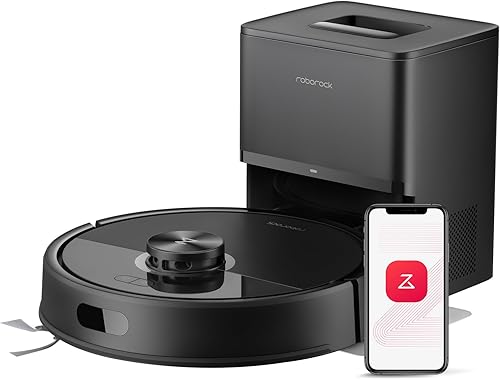
Roborock Q7 M5+: for regular hard-floor wiping
The Q7 M5+ fits pet homes where a damp pass would be used several times a week. It vacuums and mops in one go, with 3 water-flow settings to adjust the amount of water delivered.
Its dual anti-tangle design targets hair wrap at the main and side brushes. The self-emptying dock uses a sealed 2.7 L dust bag, reducing how often you handle collected debris.
Buy it if you want both cleaning tasks and will wash the mop after use. Skip it if you expect the dock to take over mop care or your reachable floors are mostly carpet.
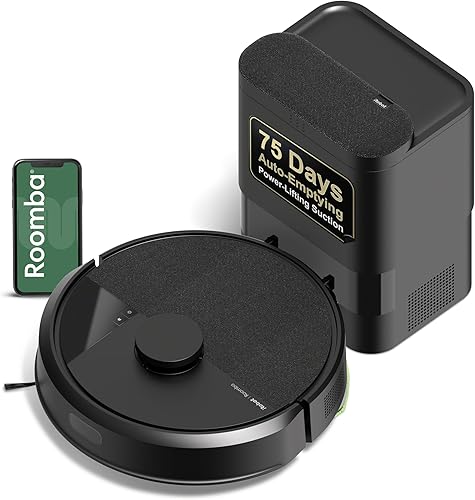
Roomba 105 Vac: for dry pickup with less bin emptying
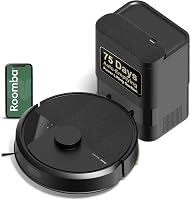
The Roomba 105 Vac suits households that want to automate dry cleaning while keeping mopping separate. Its multi-surface and edge-sweeping brushes handle the dry-cleaning job, with debris transferred to its AutoEmpty dock.
iRobot says the dock can hold up to 75 days of debris. Treat that as an upper interval and check it more often during heavy shedding.
Room targeting and adjustable cleaning passes help focus the routine on busy areas. Skip this model if automated damp wiping is a requirement rather than an optional extra.
ILIFE A30s: for remote access and manual bin care
The ILIFE A30s fits a household that wants mapped dry cleaning and a remote for starting the robot. Its app also offers room or area selection, virtual walls and an auto carpet boost feature.
The dual anti-tangle brush addresses hair wrap, while the 500 ml onboard bin needs regular emptying. This is the tradeoff to accept if you choose it over either dock-assisted option above.
Choose it if a remote is useful and bin emptying is manageable. Skip it if reducing contact with collected fur is your main reason for buying a robot.
Which features matter more than the mop label?
Prioritize brush access, room controls and dust handling before using suction numbers to choose a robot. Those features shape the work you do before and after each cleaning run.
Hair can collect around brush ends, axles and wheels even with an anti-tangle design. Look for a care routine you can follow, especially with long-haired pets.
Our guide to stopping pet hair tangles in a robot vacuum brush explains the trouble spots worth checking.
Avoid ranking different brands by suction claims alone. A pressure figure and a comparison against an older model describe different things, so read our explanation of robot vacuum suction power and Pa before treating either as a direct ranking.
Self-emptying is a separate choice from mopping. If manual bin emptying is the chore you most want to reduce, our guide to how a self-empty station works is the more useful next comparison.
How should you set up the first cleaning runs?
Start with a clear dry route and a supervised first run before adding a mop or an unattended schedule. This lets you identify rug edges, cords and furniture gaps that need attention.
All 3 models use LiDAR mapping and offer app-based cleaning controls. Their connected setup uses 2.4 GHz Wi-Fi, so check your network before beginning.
The Q7 M5+ app offers schedules, spot cleaning and no-go zones. The Roomba supports app, button and voice control, while the A30s adds an included remote alongside its app and voice options.
Read whether a robot vacuum needs Wi-Fi if network setup could affect your choice.
- Place the dock as instructed. Use a level spot with the clearance required by the manual and a clear path back from the main rooms.
- Clear small hazards. Pick up cables, string toys, socks and pet messes, then secure loose rug fringes.
- Build and review the map. Check room boundaries and protect bowls, pet resting spots and troublesome furniture gaps.
- Watch the first dry clean. Note where the robot stalls, pushes objects or misses access to a room.
- Add wet cleaning carefully. Confirm the floor allows damp mopping, prepare the mop as directed and keep rugs outside the wet route.
Schedule around your pet's routine as well as your own. A predictable daytime run may be easier to manage than a night schedule that disturbs a pet resting near the dock.
What extra care does a mop combo need?
A combo adds pad washing, water management and drying to ordinary robot care. A self-emptying dust dock does not remove those wet-cleaning tasks.
After mopping, remove and clean the pad according to the manual. Let it dry fully before storage so the next run starts with a clean pad rather than yesterday's dirt.
Use only water or cleaning solution approved for the robot and compatible with the floor. Adding a favorite household cleaner without checking can create foam, leave residue or damage parts.
Start with conservative water delivery and inspect the floor after a short pass. Reduce moisture or stop wet cleaning if you see lingering dampness, and follow the flooring maker's care instructions.
Both types need checks of brushes, wheels, sensors, filters and dust paths. During the first week, inspect after each run to learn how quickly your pet's fur fills the bin or catches around moving parts.
Wash filters only if the manual permits it, and let washable parts dry completely before refitting them. Our guide to cleaning a robot vacuum covers the recurring work.
Which buying and use mistakes should you avoid?
The biggest mistake is buying for a task you rarely do while overlooking the chores that happen every day. Match the robot to your actual floor area and maintenance habits.
- Buying a mop for mostly carpet. A damp-cleaning feature adds little if it can only serve a small isolated patch of flooring.
- Expecting a mop to collect fur. Dry debris should be collected before a damp pad passes over the floor.
- Assuming self-emptying means maintenance-free. Brushes, filters, wheels and dock bags still need care.
- Trusting the map as a floor inspection. Toys, accidents and spilled bowls can appear after the home was mapped.
- Wetting floors without checking their care rules. Water settings cannot make an unsuitable floor safe to mop.
- Replacing every other vacuum. A floor robot cannot clean stairs, furniture or every tight edge.
If stairs and sofa hair are a large part of your workload, compare a robot vacuum vs stick vacuum for pet hair. That choice may save you more effort than adding a mop.
Which should you choose for your pet home?
Make the robot vacuum and mop vs robot vacuum decision by identifying the extra chore you want removed. Choose the Q7 M5+ when regular hard-floor wiping is that chore and you will keep its pad clean.
Choose the Roomba 105 Vac when frequent dry pickup and less bin emptying matter most. Choose the ILIFE A30s when you want remote control and are comfortable emptying the bin yourself.
Skip the mop feature if your rugs make wet routes awkward or you prefer manual floor washing. Skip an unattended cleaning schedule if pet accidents make a pre-run inspection necessary.
For your next comparison, browse the best robot vacuum and mop combos for pet hair if wet cleaning earned its place in your routine. Otherwise, focus on the best robot vacuums without a mop.
Frequently asked questions
Is a robot vacuum and mop worth it for pet hair?
A combo is worth considering when you also need regular light mopping on suitable hard floors; the vacuum collects fur, and the mop adds a damp wipe afterward. If carpet and loose hair dominate your cleanup, prioritize brush care, room coverage and dust handling before paying for a mop function.
Does a robot vacuum mop help with pet accidents?
Keep every robot here away from pet accidents because it can spread waste across the floor and contaminate its brushes or pad; remove the mess and clean the area by hand before another run. Our guide to robot vacuums and pet accidents explains the limits to keep in mind.
Can a robot vacuum and mop clean carpet?
A combo can vacuum carpet, but a damp mop pad should stay off carpet and rugs; confirm the model's carpet-handling instructions and plan separate dry and wet routes where needed. Read our guide to robot vacuums for carpet if carpet pickup matters more than hard-floor mopping.
Are vacuum-only robot vacuums better for pet hair?
Vacuum-only robots are a simpler choice when fur pickup is the main task, but a missing mop does not automatically improve cleaning; compare brush design, accessible hair-removal points and dust handling for your routine. Our pet hair robot vacuum guide helps you weigh those needs across different homes.