6 Best Robot Vacuums for Dog Hair (October 2026)
The best robot vacuums for dog hair include the Roborock Q7 M5+ for daily shedding across several rooms, the Roborock Q10 S5+ for rugs and hard floors, and the Shark AV2501S for households avoiding replacement dust bags.
On this page (6 sections)
- The best robot vacuums for dog hair, matched to your home
- How to choose around your dog's hair and your floors
- How should you set up a robot vacuum in a dog home?
- What care keeps dog-hair pickup consistent?
- Which mistakes make a dog-hair robot less useful?
- Which best robot vacuum for dog hair should you buy?
The Roborock Q7 M5+ is the best robot vacuum for dog hair for most homes because it combines hair-resistant brushes, a self-empty dock and mapped cleaning. Choose another model when your main need is bagless collection, simpler controls or a mop that lifts over carpet.
A robot works best as a regular floor cleaner, collecting loose fur before it gathers under furniture or gets worked into rugs. You'll still need another tool for stairs, upholstery and stubborn embedded hair.
Our complete guide to robot vacuums for pet hair explains the wider choices. If carpet covers much of your home, start with our robot vacuum picks for carpet and pet hair.
Our picks at a glance
-
1
-
2

-
3
The best robot vacuums for dog hair, matched to your home
The Q7 M5+ is the first choice for routine shedding, while the other models serve more specific needs. Match the robot to your floors and daily cleanup habits before choosing by score.
We compared brush design, debris collection, route planning and floor-care features, giving priority to regular dog-hair pickup. A lower-ranked model can still be your better choice if it solves the task you most want to stop doing.
| Product | Best for | Hair care | Dust collection | Navigation | Our score |
|---|---|---|---|---|---|
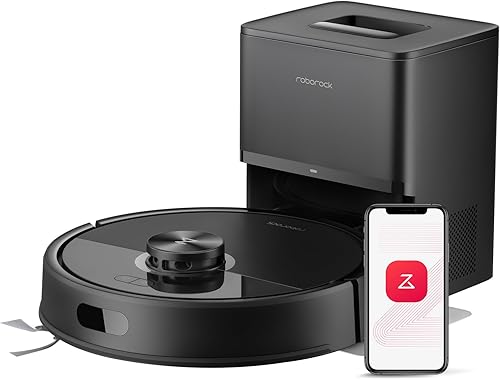
| Roborock Q7 M5+ | daily shedding across several rooms | Dual anti-tangle brush design | 2.7 L self-empty bag | PreciSense LiDAR | 9.0 |
| Roborock Q10 S5+ | rugs and hard floors | Dual anti-tangle system | 2.7 L self-empty bag | LiDAR and structured light | 8.5 |
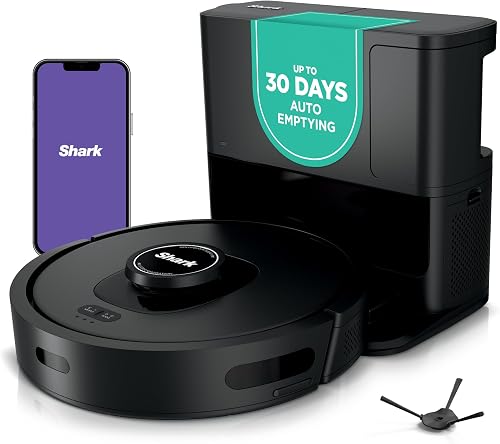
| Shark AV2501S | households avoiding replacement dust bags | Self-cleaning brushroll | Bagless base, up to 30 days | 360° LiDAR mapping | 8.0 |
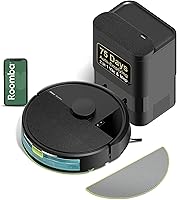
| Roomba Max 715 | homes with scattered pet gear | Dual rubber anti-tangle brushes | AutoEmpty dock, up to 90 days | ClearView Pro LiDAR and 3D maps | 7.9 |
| ILIFE V2 | hard-floor homes without Wi-Fi | Tangle-free suction port | 300 ml dustbin | 7.4 | |
| MAMNV Pet Hair Combo | hard-floor households combining daily chores | Anti-tangle brush roll | Sealed-bag self-empty base | LiDAR mapping | 7.1 |
Which robot vacuum for dog hair suits your routine?
Choose around where the hair collects and what interrupts cleaning. Open hard floors, a carpeted living room and a house full of pet toys call for different features.
Roborock Q7 M5+: Best for daily shedding across several rooms
- Dual anti-tangle brush design
- Self-empty dock with 2.7 L dust bag
- LiDAR mapping
- Vacuum and mop
A strong first choice for scheduled dog-hair cleanup across several rooms, with brushes designed to resist wrapping and a dock that collects debris.
Pros
- Anti-tangle main and side brushes
- Sealed-bag self-empty dock
- Schedules, spot cleaning and no-go zones
Cons
- Mop requires separate pad and water care
- App supports 2.4 GHz Wi-Fi only
The Roborock Q7 M5+ suits scheduled cleanup across several rooms, especially when you want fewer bin-emptying tasks. Its JawScrapers main brush and anti-tangle side brush address hair wrap at both pickup points.
PreciSense LiDAR creates planned cleaning routes, and the app lets you schedule runs, start spot cleaning and block pet areas. That makes it a useful choice when fur collects in predictable places, such as beside the sofa or along a hallway.
The RockDock Plus uses a 2.7 L sealed dust bag. Roborock estimates up to 7 to 9 weeks between changes, with shorter intervals possible in homes collecting lots of fur.
Vacuuming and mopping are combined, with 3 water-flow settings for the mop. The app requires 2.4 GHz Wi-Fi, so confirm that your network supports it before setup.
Choose it if your main goal is a repeatable daily hair-cleaning routine. Skip it if you need remote-only operation, dislike buying dust bags or want the Q10's carpet-aware mop features.
Treat the mop as a separate care task even when both functions run together. Removing fur from the floor does not remove the need to wash and dry a used pad.
Roborock Q10 S5+: Best for rugs and hard floors
- Dual anti-tangle system
- Self-empty dock with 2.7 L dust bag
- ReactiveTech obstacle avoidance
- Mop lifts on carpet
Carpet detection, a lifting sonic mop and obstacle avoidance suit homes where cleaning routes cross rugs and hard floors.
Pros
- Automatic carpet suction boost
- Sonic mop lifts on carpet
- Structured-light obstacle avoidance
Cons
- App supports 2.4 GHz Wi-Fi only
- Mop lift does not establish suitability for every rug
The Roborock Q10 S5+ suits homes with both rugs and hard floors, where the mop needs to respond as surfaces change. Its VibraRise 2.0 system uses sonic vibration, with scrubbing up to 3,000 times per minute.
The mop lifts up to 8 mm on carpet, while ultrasonic carpet detection also triggers increased suction. That combination gives mixed-floor homes a more useful reason to choose it than suction figures alone.
ReactiveTech uses structured light to detect obstacles, alongside LiDAR route planning and multi-level maps. The app controls suction, no-go zones, mopping levels and cleaning schedules.
Its anti-tangle system covers the main and side brushes, and the self-empty station uses a sealed bag. Roborock estimates up to 70 days between bag changes; app setup requires 2.4 GHz Wi-Fi.
Choose it if mopping is part of your weekly routine and cleaning routes cross several floor types. Skip it if you only want dry pickup or have thick rugs whose pile could still touch a raised pad.
Check those rug edges during the first runs. Mop lift is useful, but the right clearance depends on the surface the robot crosses.
Shark AV2501S: Best for households avoiding replacement dust bags
- Self-cleaning brushroll
- Bagless self-empty base
- Matrix Clean grid coverage
- HEPA filtration in base
A vacuum-focused choice for households that prefer emptying a reusable collection base to buying replacement dust bags.
Pros
- Bagless self-empty base
- Self-cleaning brushroll
- Recharge and Resume
Cons
- Base emptying involves handling loose debris
- Collection base and filters still need cleaning
The Shark AV2501S suits households that want self-emptying without replacement dust bags. Its reusable base holds collected debris until you empty it, with Shark estimating up to 30 days of capacity.
That choice changes the chore rather than removing it. You'll handle loose debris when emptying the base, so decide whether that trade suits you before choosing bagless collection.
The self-cleaning brushroll targets hair buildup, while Matrix Clean follows a grid with multiple passes. This is a useful combination for regular vacuuming where hair and tracked-in dirt gather in the same areas.
The base has HEPA filtration, which Shark says captures 99.97% of dust and allergens down to 0.3 microns. Choose it for debris capture within the system, without expecting a vacuum to provide medical relief.
Runtime is up to 120 minutes, and Recharge and Resume lets it continue after charging. App controls include schedules, targeted cleaning and boundaries.
Choose it if bagless collection is a firm preference and vacuuming is your main goal. Skip it if handling a container of loose fur is the very task you're trying to avoid.
For brush-care help, see our guide to stopping hair tangles in a robot vacuum brush.
Roomba Max 715: Best for homes with scattered pet gear

- Dual rubber anti-tangle brushes
- PrecisionVision AI obstacle avoidance
- AutoEmpty dock with odor-control bag
- Carpet Boost
Object recognition and automatic extra passes suit homes with pet gear on the floor and heavier debris around favorite resting spots.
Pros
- Dual rubber anti-tangle brushes
- Recognizes common household obstacles
- Dirt Detect adds passes in messier areas
Cons
- Dock requires replacement bags
- Obstacle recognition does not replace a floor check
The Roomba Max 715 suits busy pet areas with scattered gear and uneven mess levels. iRobot's PrecisionVision AI recognizes objects including bowls, toys, cords, socks, shoes and pet waste.
That recognition is a useful reason to consider it when floor clutter often stops cleaning. Clear waste before every run, and keep chew ropes or damaged toys out of the cleaning path.
Dual rubber anti-tangle brushes flex against different floor surfaces, while Carpet Boost increases suction on rugs and carpet. Advanced Dirt Detect adds passes where debris is heavier, rather than treating every area the same.
The AutoEmpty dock uses odor-control AllergenLock bags, with iRobot estimating up to 90 days between changes. ClearView Pro LiDAR creates 3D maps, and app controls include room cleaning, no-go zones and repeat passes.
Choose it if you want object recognition and extra attention around entryways or favorite dog resting spots. Skip it if you prefer bagless collection or only need simple pickup in a clear hard-floor room.
This model's appeal is the way its features address busy floors. A higher suction number alone should not settle the choice between it and a robot that better fits your routine.
ILIFE V2: Best for hard-floor homes without Wi-Fi

- Tangle-free suction port
- Remote control, no Wi-Fi required
- 2.99 in slim profile
- Up to 120 minutes per charge
Remote controls and a roller-free suction port suit straightforward hair pickup on hard floors and low-pile carpet.
Pros
- Works without Wi-Fi
- Low profile for suitable furniture gaps
- Scheduled cleaning and automatic charging
Cons
- Small bin needs manual emptying
- No mapped room-by-room routes
The ILIFE V2 suits hard-floor homes that want simple controls without Wi-Fi. Its remote and one-touch button let you start cleaning without setting up an app.
A suction port replaces the main roller brush, removing one common place for hair to wrap. This makes sense for loose fur on hardwood, tile, laminate or stone, with low-pile carpet also among its intended surfaces.
The body is 2.99 in high, so measure the narrowest gap beneath furniture before expecting access. Allow clearance rather than assuming a gap equal to the robot's height will work.
Auto, spot and edge modes cover basic cleaning needs, and scheduled runs can keep pickup regular. It returns to the charging dock when the battery is low.
Its 300 ml bin needs manual emptying, which matters more during heavy shedding. Check it after early runs to learn how quickly your dog's hair fills it.
Choose it if straightforward controls and accessible hard floors matter most. Skip it if you want mapped room routines, fewer emptying tasks or a carpet-first cleaner for a heavily carpeted house.
MAMNV Pet Hair Combo: Best for hard-floor households combining daily chores

- Anti-tangle brush roll
- Self-empty base with sealed bag
- Vacuum, sweep and mop
- LiDAR mapping and no-go zones
Combined vacuuming and mopping suit hard-floor households that want one mapped routine for loose hair and light surface dirt.
Pros
- Vacuuming and mopping in one session
- Sealed-bag self-empty base
- Targeted zones and custom room routines
Cons
- Water tank and mop pads require care
- Long hair can still wrap around the brush
The MAMNV Pet Hair Combo suits hard-floor households combining loose-hair pickup with light mopping. It can sweep, vacuum and mop during the same session, with an anti-tangle brush roll for fur and long hair.
LiDAR mapping supports custom room routines, targeted zones and no-go areas. Use those controls to focus on a hallway or resting area while keeping the robot away from bowls and fragile floor items.
The combined tank and bin provide 230 ml for water and 240 ml for debris. Water still needs refilling, and the pad needs washing, even though the self-empty base handles collected dry dirt.
MAMNV estimates up to 90 days of debris collection in the sealed dock bag. It also notes that long hair can occasionally wrap around the brush, so regular checks remain part of ownership.
Choose it if you want a mapped combo routine and are willing to care for the wet-cleaning parts. Skip it if the house is mainly carpeted or you want to minimize pad and tank chores.
For loose fur mixed with dried paw dirt, let vacuuming remove the dry debris first. A mop pad stays more useful when it is not dragging collected hair around the room.
How to choose around your dog's hair and your floors
Start with floor type, hair buildup and reachable space, then choose the controls and dock you want. These details affect daily usefulness more than a single headline specification.
Match the pickup system to the hair
Long strands can wrap around brush ends, while short hairs can work into carpet fibers. Check both the main pickup system and the smaller side brush, since either can need attention.
An anti-tangle design helps reduce wrapping, but you still need access for cleaning. A roller-free suction port suits loose-hair pickup on hard floors; carpet cleaning also depends on contact and agitation.
Think about the mix in your home. A long-haired dog sharing space with long human hair creates a different care routine from a short-haired dog shedding across tile.
Check rugs, furniture gaps and thresholds
Measure under the furniture where fur gathers, and look for rug fringes, raised edges and room transitions. A robot's cleaning area is the floor it can physically reach and cross.
For carpet, consider pile height and how firmly the rug stays in place. Our guide to how robot vacuums work on carpet explains the surface details worth checking.
Multi-level maps help organize different floors, but they do not move the robot upstairs. Plan who will carry it and where charging will happen if your home has several levels.
Read suction numbers in context
Use suction figures alongside brush design and floor handling, rather than treating them as a cleaning ranking. Pickup also depends on airflow, brush contact, a clear intake and a filter that is not clogged.
A daily route that reaches the dog's favorite room can be more useful than a stronger setting on a robot that keeps getting stuck. Solve access and coverage before chasing maximum power.
Choose a dock around the chore you dislike
Pick bagged collection if you prefer removing a contained bag of debris. Choose bagless collection if avoiding replacement bags matters more and you're comfortable emptying a reusable container.
Dock capacity estimates describe collection intervals, not time between all care tasks. Heavy shedding, tracked-in dirt and several pets can fill the system sooner.
A dock also needs a practical home. Check its required clearance, access for removing debris and a location your dog will not block with a bed or toys.
Add a mop only when the floors justify it
Choose mopping for suitable hard floors with light surface dirt, and check your floor maker's care instructions. Water-sensitive surfaces and rugs need a plan before a damp pad starts traveling.
A combo adds pad washing, drying and tank care to vacuum maintenance. Our vacuum-only picks for pet hair help if dry pickup is the job you want automated.
How should you set up a robot vacuum in a dog home?
Begin with clear floors, a stable dock and a supervised first run. Good setup helps the robot complete useful routes and helps your dog get used to its movement.
Prepare the rooms it will clean
Pick up cords, socks, chew toys and loose straps before mapping or starting the first route. Secure rug fringes and move lightweight items that could catch a brush.
Leave normal furniture in place so the route reflects everyday use. Where supported, set no-go zones around water bowls, feeding mats and areas that are often wet.
Keep the charging spot consistent and follow the required clearances in the manual. Avoid placing it where a door, chair or dog bed can block the return path.
Introduce the robot without crowding your dog
Let your dog observe from a comfortable distance during short early runs. Keep an exit path open, and stop the session if the dog chases, bites or becomes distressed.
Schedule future cleaning when the dog is settled or safely elsewhere. A routine that avoids feeding, play and busy arrivals is easier to maintain.
Build a schedule around actual shedding
Start with regular cleaning of the rooms your dog uses most, then adjust based on what remains. During seasonal shedding, shorter, more frequent runs can keep loose hair from gathering into piles.
Check for accidents before each run, including scheduled sessions. Our guide to robot vacuums and pet accidents explains why object recognition should remain a backup.
For an old carpet with accumulated hair, use a separate vacuum before starting the new routine. The robot can then focus on fresh shedding rather than a large backlog.
What care keeps dog-hair pickup consistent?
Keep brushes, airflow paths and sensors clear, even with self-emptying and anti-tangle features. Use the manual's care schedule, then check more often when shedding is heavy.
Inspect after the first few runs
Check the bin, intake, brush ends, side brushes and wheels to learn where fur collects. Early checks help you set a useful care interval for your home.
If pickup drops or clumps remain behind, inspect for a full bin or blockage before increasing power. A full dock bag can also prevent debris from transferring properly.
Clean each part the right way
Remove wrapped hair with the robot powered off, following the manual's removal steps. Clear brush ends gently rather than pulling hard against fitted parts.
Wash filters only when the instructions allow it, and let washable parts dry fully before reinstalling them. Keep electrical contacts and sensors free of dust using the recommended dry-cleaning method.
For a fuller sequence, follow our guide to cleaning a robot vacuum. Replace worn brushes or filters according to their condition and the brand's guidance.
Keep wet-cleaning parts separate from dry debris
Wash a used mop pad and allow it to dry after cleaning. Empty and care for the water tank as directed rather than leaving a dirty pad attached between runs.
Remove thick mud or large spills with a suitable separate tool first. Routine robot mopping is better suited to light floor dirt than concentrated wet messes.
Which mistakes make a dog-hair robot less useful?
The biggest mistakes are buying for one headline feature and skipping routine preparation. A robot needs reachable floors, room for collected debris and a schedule that matches shedding.
- Buying around maximum collection days: Plan to inspect the dock instead of waiting for a calendar deadline, especially during coat changes.
- Expecting anti-tangle to mean no care: Hair can still collect around moving parts, brush ends and wheels.
- Treating mapping as object recognition: A room map supports routes; recognizing a small item on that route is a separate feature.
- Ignoring the first runs: Watch for repeated trouble at rug edges, furniture legs or thresholds, then adjust the room or boundaries.
- Leaving damp pads on rugs: Check mop behavior before allowing unattended mixed-floor cleaning.
- Expecting one machine to clean everything: Keep another vacuum or tool for stairs, fabric furniture and areas the robot cannot reach.
Do not judge a schedule only by whether the robot finished. Look at the dog's resting areas, edges and rug surfaces to decide whether you need more frequent runs or a different route.
Which best robot vacuum for dog hair should you buy?
Choose the best robot vacuum for dog hair around your hardest daily chore. Hair pickup, clutter, bin handling and mopping lead to different choices.
Pick the Roborock Q7 M5+ for recurring shedding across several rooms. Move to the Q10 S5+ when mixed floors and carpet-aware mopping are central to the job.
Choose the Shark AV2501S if avoiding replacement bags matters most. Consider the Roomba Max 715 when object recognition and extra passes around messier pet areas deserve priority.
The ILIFE V2 fits simple hard-floor cleanup without Wi-Fi, provided you're willing to empty its bin. Choose the MAMNV Pet Hair Combo for combined hard-floor routines when pad and tank care fit your schedule.
Before ordering, measure furniture gaps, identify the rugs it must cross and decide where the dock will live. If debris handling is your deciding factor, compare our self-emptying robot vacuums for pet hair next.
Our top 3 picks at a glance
-
1
-
2
-
3
Frequently asked questions
What is the best robot vacuum for dog hair?
The Roborock Q7 M5+ is the best all-around choice here for routine dog-hair cleanup across several rooms; its anti-tangle brushes, mapped routes and self-empty dock cover the main daily tasks. Choose a different model when bagless collection, no-Wi-Fi controls or carpet-aware mopping matters more to your household.
Do robot vacuums pick up dog hair on carpet?
Yes, robot vacuums can collect dog hair from carpet, but brush contact, pile height and regular cleaning all matter; choose for the carpet you have, especially around thick rugs and fringed edges. Keep a separate vacuum for stairs, upholstery and hair that stays embedded after routine robot cleaning.
How can you reduce dog hair tangles in a robot vacuum?
Choose a brush designed to resist wrapping, then remove collected hair before it tightens around brush ends or moving parts; check side brushes and wheels as well as the main brush. A roller-free suction port removes one place for tangles, but the rest of the robot still needs care.
Is a self-emptying robot vacuum useful for dog hair?
Yes, a self-emptying dock is useful when shedding fills the robot's small bin quickly; it transfers collected debris into a larger bag or base after cleaning. You still need to check brushes, filters and the transfer path, and heavy shedding can shorten the brand's estimated interval between bag changes.
Should you choose a robot vacuum and mop for dog hair?
Choose a combo if your home has suitable hard floors and you also want help with light surface dirt; vacuum performance remains the priority for hair, while mopping adds water and pad care. Around rugs, check carpet handling and keep the damp pad away from surfaces that should stay dry.