Roomba vs Shark Robot Vacuums for Pet Hair: Which Is Better? (October 2026)
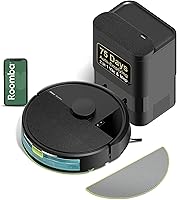
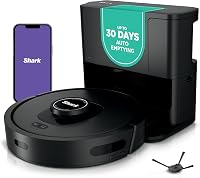
For Roomba vs Shark, choose the Shark AV2501S for its anti-hair-wrap brush features, the Shark AV2501AE for less frequent bagless emptying, or the Roomba 105 Vac for bagged disposal and flexible room controls.
On this page (11 sections)
- Roomba vs Shark: which suits your pet home?
- Which model should you buy or skip?
- How do their brushes and cleaning paths handle hair?
- Which one fits carpet and heavy shedding?
- Which dock and filtration system fit your routine?
- Does longer runtime matter in your home?
- How should you set up the robot for the first week?
- What care do these robots still need?
- What mistakes should pet owners avoid?
- Roomba 105 Vac vs Shark AV2501S vs AV2501AE at a glance
- The Roomba vs Shark decision for your home
For Roomba vs Shark, choose Shark when brush hair wrap is your main concern, or Roomba when you prefer bagged disposal and detailed room controls. Among these models, the Shark AV2501S is the clearest match for long-haired pets.
The Shark AV2501AE suits households that want longer bagless storage between emptying jobs. The Roomba 105 Vac is a better fit if lifting out a full bag sounds easier than tipping loose debris into the trash.
PeachyCart compared these models by their brushes, cleaning controls, navigation and upkeep needs. The best choice depends on which part of your current cleaning routine you want to reduce.
Roomba vs Shark: which suits your pet home?
Choose around your biggest chore: tangled hair, frequent emptying or cleaning specific rooms. That gives you a more useful starting point than choosing by brand alone.
If you regularly cut long strands from vacuum brushes, start with the AV2501S. Its anti-hair-wrap design addresses that job directly, though you should still inspect the brush ends.
If you dislike handling loose dust, start with the Roomba. If you want to avoid replacement bags, compare the Sharks and decide how often you're willing to empty their bases.
None of these models is a wet-cleaning solution. Buyers who want paw-print cleanup as well as dry debris pickup should choose a vacuum-and-mop model instead.
For the wider buying checklist, read our robot vacuum for pet hair buying guide.
Which model should you buy or skip?
Buy the model that removes a recurring chore from your week. Skip one whose main benefit solves a problem you don't have.
Roomba vs Shark for buyers who prefer bagged disposal
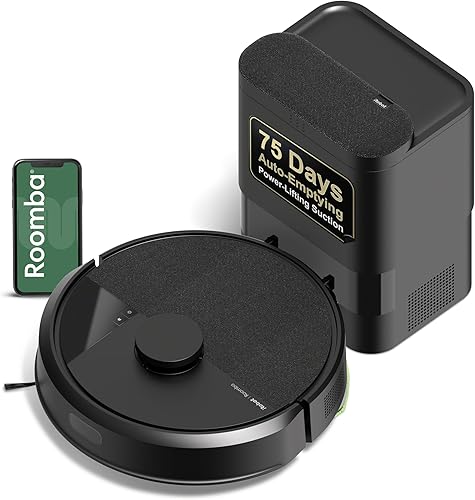
The Roomba 105 Vac suits you if dust disposal and room control come first. Its app lets you target rooms, change suction and cleaning passes, and create keep-out zones.
Those controls help when shedding collects in a few predictable places. You can give the living room extra attention without using the same settings throughout the home.
Skip it if avoiding replacement bags is a firm requirement. Long-haired pet owners should also weigh Shark's brush design before choosing mainly for Roomba's battery figure.
For more iRobot options, see our best Roombas for pet hair.
Shark AV2501S for long-haired pets
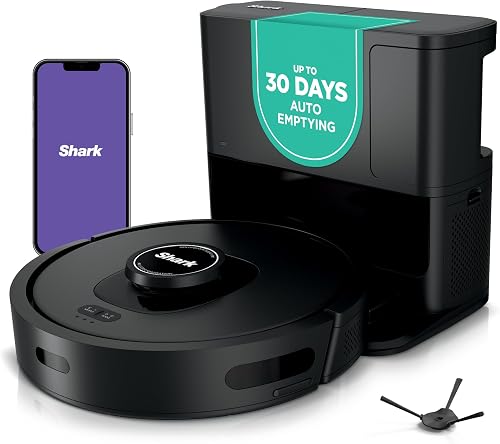
The Shark AV2501S suits households where long fur and human hair share the floor. Shark describes its self-cleaning brushroll as having anti-hair-wrap features, giving this model the clearest long-hair focus here.
Its SharkClean app supports targeted areas and boundaries. That helps you plan around a pet's feeding corner or send the robot toward a frequently used room.
Skip it if reducing base-emptying trips matters more than those specific brush features. The AV2501AE offers a longer storage interval within this bagless shortlist.
Our Shark AI Ultra robot vacuum review takes a closer look at the AV2501S.
Shark AV2501AE for fewer bagless emptying jobs
The Shark AV2501AE suits busy households that want bagless collection with less frequent base emptying. It combines a self-cleaning brushroll with Matrix Clean and an XL HEPA base.
Choose it when you already know you prefer tipping out a reusable container. That preference matters more than simply picking the model with the longest advertised storage period.
Skip it if a specific room-selection or boundary feature is essential and you haven't confirmed it for this exact model. Shared navigation names don't establish identical app controls across the Shark range.
How do their brushes and cleaning paths handle hair?
Shark puts more emphasis on reducing brush wrap, while all 3 organize cleaning with LiDAR. The Roomba uses a multi-surface brush and edge-sweeping brush; both Sharks have self-cleaning brushrolls.
Hair pickup and hair wrap are separate concerns. A brush can collect strands from the floor while still needing those strands removed from its ends or axle.
The Roomba cleans in neat rows, and both Sharks use Matrix Clean to make multiple passes in a grid. Repeated coverage is useful to consider where pets rest and leave concentrated debris.
More passes also mean spending longer on that area. Use extra coverage where hair gathers rather than assuming every room needs the longest cleaning routine.
For either brand, clear access matters. A robot can't collect fur beneath a chair if a dangling cable or pile of toys blocks its route.
Which one fits carpet and heavy shedding?
Choose for your rugs and cleaning schedule before comparing suction claims. All 3 support carpets and hard floors, but no supplied feature establishes a carpet-pickup winner.
iRobot claims 70 times more power-lifting suction than Roomba 600 series robots. That comparison doesn't measure the 105 Vac against either Shark, so it shouldn't decide this matchup.
Check rug edges, fringe and transitions between rooms before buying. Long fringe can catch in moving parts, while a difficult threshold can leave part of your home outside the cleaning route.
Measure furniture clearance at the lowest point too. A robot that reaches beneath your pet's favorite resting spot may save more effort than one whose headline feature rarely helps you.
Frequent dry pickup can limit loose hair buildup, but carpet may still need separate vacuuming for embedded debris. Our guide to robot vacuums and carpet explains how to assess the floor itself.
Which dock and filtration system fit your routine?
Choose bagged disposal for lifting out contained debris, or bagless disposal if you prefer a reusable collection bin. The emptying method affects every full-base cleanup.
iRobot rates the Roomba dock for up to 75 days of debris. Shark rates the AV2501S base for up to 30 days and the AV2501AE base for up to 60 days.
Treat those figures as claimed storage intervals, not calendar reminders. A shedding household may fill a base sooner, especially during the first cleanings after hair has built up.
iRobot says its dock bag traps 99% of allergens as small as 0.7 microns. Shark says its bases' true HEPA filtration captures and traps 99.97% of dust and allergens down to 0.3 microns.
Those claims use different particle sizes and don't establish allergy relief. Also consider the disposal step: bagless debris must leave the container when you empty it, so handle it close to the trash.
Does longer runtime matter in your home?
Longer battery life matters most when you need extended cleaning runs without a charging pause. It matters less if you clean a few rooms at a time.
The Roomba has 200-minute stated battery life, while both Sharks offer up to 120 minutes. Both Sharks include Recharge and Resume, allowing them to return after charging and continue the job.
A charging break can be acceptable while you're away, yet inconvenient if the floors must be clear before dinner. Think about when the cleaning must finish, not just when it starts.
Room layout, floor type and cleaning settings affect the work completed during a run. Avoid turning a runtime figure into a promised square-foot coverage estimate.
How should you set up the robot for the first week?
Start with a clear route and a stable dock location. Good setup helps the robot reach the rooms you bought it to clean.
Place the dock according to the manual's clearance requirements and keep its approach open. Avoid a spot where shoes, a swinging door or a pet bed often blocks the return path.
Remove charging cables, socks, small toys and loose rug fringe before the first mapping trip. Open the doors to rooms you want included, then review the map before creating schedules.
The Roomba uses a 2.4 GHz Wi-Fi network for setup and operation; your phone can return to 5 GHz afterward. For network planning, read whether a robot vacuum needs Wi-Fi.
Watch an early cleaning run to find trouble spots such as furniture gaps and rug edges. Use supported boundaries or keep-out zones where needed, and confirm the robot can reach its dock.
Begin with a manageable schedule and inspect the collected debris after early runs. Increase frequency if loose hair returns quickly, rather than immediately choosing extra passes everywhere.
What care do these robots still need?
Self-emptying reduces bin work; it doesn't remove brush, filter or sensor care. Build a short inspection into your routine, especially during heavy shedding.
Switch the robot off before removing caught hair, following its manual. Check brush ends, side brushes and wheels, since strands can gather outside the main brushroll.
Inspect the debris path if the robot's bin stays full after docking. Stop and resolve a blockage instead of repeatedly starting another cleaning cycle.
Care for filters exactly as the manual directs, and don't assume every filter can be washed. If a washable part is rinsed, let it dry fully before reinstalling it.
Wipe sensors and charging contacts as directed, and check the base before it becomes overfilled. The Roomba app's filter-life check can help with reminders, but visible buildup still deserves attention.
Our guide to how to clean a robot vacuum explains the parts to include in a regular care routine.
What mistakes should pet owners avoid?
Avoid unattended cleaning when the floor may contain pet waste or wet messes. LiDAR mapping and object avoidance don't establish reliable pet-accident recognition for these models.
Check the floor before a scheduled run if your pet has accidents. Our guide to robot vacuums and pet accidents explains how to plan around that risk.
Don't schedule a run through spilled water, damp food or a recently wet floor. These are dry vacuums, so deal with wet messes separately before sending the robot through.
Don't expect a self-cleaning brushroll to eliminate every tangle. A quick look after the first few runs helps you learn where your household's hair tends to collect.
Avoid leaving the dock base unchecked until its advertised day count arrives. Debris volume changes with shedding, room access and cleaning frequency.
Finally, don't assume voice assistants expose every cleaning setting. Use the app for detailed setup and confirm the exact controls you need before relying on voice commands.
Roomba 105 Vac vs Shark AV2501S vs AV2501AE at a glance
Use this comparison to check the trade-off you've chosen: bagged disposal, long-hair brush features or longer bagless storage. The table puts the main differences together.
| Product | Best for | Runtime | Dock capacity | Navigation | Our score |
|---|---|---|---|---|---|
| Roomba 105 Vac | homes that prefer bagged disposal | 200 minutes stated | Up to 75 days | ClearView LiDAR | 8.2 |
| Shark AV2501S | homes with long-haired pets | Up to 120 minutes | Up to 30 days | 360-degree LiDAR | 8.0 |
| Shark AV2501AE | bagless self-emptying | Up to 120 minutes | Up to 60 days | 360-degree LiDAR | 7.8 |
The Roomba offers the broadest explicitly described adjustment options here, including suction levels and cleaning passes. Its app also provides cleaning-time estimates, and it supports app, button and voice control.
Roomba works with Alexa-, Siri- and Google Assistant-enabled devices. Both Sharks support Amazon Alexa or Google Assistant, so check compatibility with the assistant you already use.
For the Sharks, base storage is the clearest difference in this shortlist. Confirm model-specific controls separately instead of treating the AV2501AE as an AV2501S with only a different base.
The Roomba vs Shark decision for your home
Choose the Shark AV2501S if long strands are your main cleaning nuisance. Its anti-hair-wrap brush features make it the most direct match for that buyer.
Choose the Shark AV2501AE if you want a self-cleaning brushroll and fewer bagless emptying jobs. Check any essential room or boundary controls before ordering.
Choose the Roomba 105 Vac if bagged disposal and adjustable room cleaning fit your routine better. Its longer stated battery life adds value when extended runs matter to your schedule.
Before deciding, identify a dock location and the rooms that need the most frequent pickup. For other options beyond Roomba vs Shark, browse our robot vacuum comparisons for pet homes.
Frequently asked questions
Is Roomba or Shark better for pet hair?
Shark is the stronger feature-based choice when reducing brush hair wrap is your priority, especially the AV2501S with its anti-hair-wrap design. Choose the Roomba 105 Vac when bagged disposal and flexible room controls matter more; for either brand, regular cleaning and brush checks remain part of managing shedding.
Which has a larger self-empty base?
The Roomba 105 Vac has the longest claimed storage interval at up to 75 days, followed by the Shark AV2501AE at 60 days and AV2501S at 30 days. These are not directly comparable volume measurements; heavy shedding, cleaning frequency and the debris collected determine when each base needs attention.
Do these robot vacuums map a home?
All 3 use LiDAR mapping to organize cleaning routes; the Roomba 105 Vac cleans in rows, while both Sharks use Matrix Clean for repeated passes in a grid. Give the robot access to the rooms you want mapped, and remove cords and loose clutter before its first trip.
Which is better for long pet hair?
The Shark AV2501S is the clearest fit because its brushroll includes anti-hair-wrap features for pet hair and long hair; the AV2501AE also has a self-cleaning brushroll, but its exact long-hair design should not be assumed identical. Our guide to stopping pet hair tangles explains the upkeep both still need.
Can these vacuums clean without Wi-Fi?
Plan on Wi-Fi for setup and connected controls; the Roomba 105 Vac requires a 2.4 GHz network for setup and operation, and both Sharks are Wi-Fi connected. Before buying for an offline home, check the exact model's manual for supported button controls and which functions remain available without a connection.