Roomba vs Roborock: Which Is Better for Pets? (October 2026)
For Roomba vs Roborock, choose the Roborock Q7 M5+ for routine pet-hair cleanup with fewer brush tangles. Choose the Q10 S5+ for mixed floors and more mopping features, or the Roomba 105 Vac if you want vacuum-only cleaning.
On this page (13 sections)
- Roomba vs Roborock: which handles pet hair better?
- Which model should you buy, and who should skip it?
- Which model fits carpets, rugs and hard floors?
- What kind of mopping will you actually use?
- How do the self-empty docks change daily care?
- Will mapping and obstacle avoidance reduce rescues?
- Which controls will help your weekly routine?
- How should you set up the robot on day one?
- Side-by-side specs for Roomba and Roborock
- What upkeep should you plan for?
- Which buying and use mistakes should you avoid?
- Sources and setup guidance
- Roomba vs Roborock: the quick decision
The Roborock Q7 M5+ is our top pick for pet-hair cleanup in this Roomba vs Roborock comparison. Choose the Q10 S5+ when mopping across mixed floors matters more, or the Roomba 105 Vac when you want dry cleaning and plan to mop yourself.
Start with your hardest daily job: loose hair, dirty hard floors or repeated cleanup in certain rooms. Those needs separate these models more usefully than the brand name.
This comparison covers these 3 models, so use their features to choose rather than assuming every Roomba or Roborock works the same way.

Roomba vs Roborock: which handles pet hair better?
The 2 Roborock models are the stronger choices for reducing brush tangles. Both pair a JawScrapers main brush with an anti-tangle side brush, while the Roomba uses a Multi-Surface brush and an Edge-Sweeping brush.
Roborock gives both models a claimed suction level of 10,000 Pa. iRobot describes the Roomba's suction as 70 times that of its 600 series robots, which is a comparison within iRobot's range.
You can't convert that multiplier into a ranking against Roborock. For buying purposes, focus on hair wrap, floor type and the cleaning controls you'll use.
Long strands can wind around moving parts, while short hair can gather along edges and beneath furniture. Frequent runs help collect loose hair before it spreads or gets pressed into carpet.
Our guide to what robot vacuum suction power means explains why a suction figure is only one part of choosing a cleaner.
Which Roomba vs Roborock suits long-haired pets?
Choose the Q7 M5+ if long hair is the main reason you're buying. Roborock specifically says its brush system resists hair wrap from long-haired breeds.
The Q10 S5+ makes more sense if you also need its floor-care features. There's no need to choose it solely for hair control when the Q7 M5+ already addresses that job.
Keep brush inspection in your routine with either model. Our guide to stopping pet hair from tangling in a robot vacuum brush covers where strands collect and how to remove them.
Which model should you buy, and who should skip it?
Buy the Q7 M5+ for hair-focused cleaning, the Q10 S5+ for mixed-floor care, or the Roomba for a vacuum-only routine. Each has a clear buyer, so choose around the work you want to hand over.
Roborock Q7 M5+: for frequent shedding cleanup
The Q7 M5+ suits a pet owner who wants regular hair pickup and occasional mopping on suitable hard floors. It's our default choice when brush upkeep matters more than extra mopping features.
Skip it if automatic mop lifting is central to your plan. A home where the robot must cross several rugs during wet cleaning calls for closer attention to the Q10 S5+.
Roborock Q10 S5+: for a busier mix of floor tasks
The Q10 S5+ suits homes where hard-floor cleaning and rug transitions are part of the same route. Its added features address that mixed workload rather than simply repeating the Q7 M5+'s role.
Skip it if you'll leave the mop unused and normally clear the floor before every run. In that routine, its main differences solve fewer of your problems.
Roomba 105 Vac: for owners who mop separately
The Roomba 105 Vac suits you if you want the robot to collect dry debris while you keep control of wet cleaning. That approach avoids washing robot mop parts or planning damp routes around rugs.
Skip it if a robot mop is a firm requirement. For other options within the brand, see our best Roombas for pet hair.
Which model fits carpets, rugs and hard floors?
The Q10 S5+ is the clearest fit for mixed floors, while the Roomba suits a dry-cleaning routine across different surfaces. The Q10 detects carpet, increases suction automatically and lifts its mop module up to 8 mm.
That lift distance deserves attention around thick or plush rugs. A raised mop may still touch tall fibers, so watch the first wet-cleaning route and keep unsuitable rugs out of it.
With the Q7 M5+, plan mop use around carpet instead of assuming it will raise the cloth. Separate hard-floor cleaning from rug cleaning when needed, following the manual's instructions.
Check rug fringe, raised edges and thresholds before buying any robot. A floor plan with many small rugs may need more preparation than a mostly open hard-floor space.
Our guide to robot vacuums on carpet explains the limits, and the carpet and pet hair guide helps you choose for carpet-focused cleaning.
What kind of mopping will you actually use?
Choose the Q7 M5+ for an adjustable damp pass or the Q10 S5+ for sonic mopping. The Q7 has 3 water flow settings, while Roborock says the Q10's VibraRise 2.0 system scrubs up to 3,000 times per minute.
Think about the mess before choosing the mop. Fine dust and routine marks on suitable sealed floors are different jobs from a wet spill, sticky food or a pet accident.
Remove loose debris before wet cleaning, and deal with spills yourself. Check your floor maker's care guidance before using water, especially on surfaces with damaged seams or finishes.
Start with the lowest suitable water setting and inspect the floor afterward. More water isn't a shortcut to cleaner floors, and a dirty cloth needs washing rather than another pass.
Compare more robot vacuum and mop combos for pet hair if wet cleaning is a priority. If it isn't, our vacuum-only models for pet hair offer a more focused shortlist.
How do the self-empty docks change daily care?
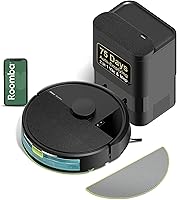
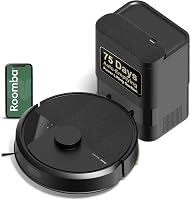
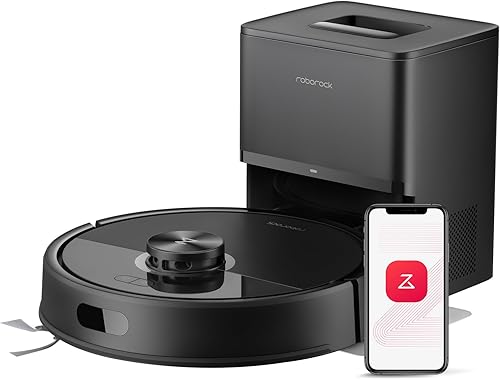
All 3 docks reduce manual bin emptying, but none removes the rest of the care routine. Both Roborock docks use 2.7 L bags, and the Q7's bag is sealed.
The brands claim up to 7–9 weeks between bag changes for the Q7, up to 70 days for the Q10 and up to 75 days for the Roomba. Treat these as maximum intervals, with heavy shedding likely to fill bags sooner.
iRobot also says its dock bag traps 99% of allergens as small as 0.7 microns. That describes bag filtration, so don't use it as a reason to expect cleaner room air.
Keep spare bags that fit your exact dock. Check for a full bag or blocked debris path if emptying becomes less effective rather than waiting for a calendar date.
Our guide to self-emptying robot vacuum stations explains what the dock handles and which jobs stay with you.
Will mapping and obstacle avoidance reduce rescues?
Mapping helps the robot cover rooms, while obstacle features help it respond to objects along the route. All 3 use LiDAR mapping, and the Q10 adds ReactiveTech structured-light obstacle avoidance.
The Q10 also supports multi-level maps. That's useful for separate floors, but you'll still carry the robot between levels and prepare each floor for cleaning.
The Roomba has sensors for steering around obstacles and detecting stairs. Those features don't make loose cords, rug fringe or pet toys safe to leave in its path.
Clear small objects before scheduled runs, even with the Q10. Give the robot a clear approach to narrow spaces so it doesn't have to work around chair legs and scattered belongings at once.
Check for pet accidents before every unattended run. Our guide to robot vacuums and pet accidents explains why obstacle avoidance shouldn't replace that check.
Which controls will help your weekly routine?
Choose controls around the rooms and times you need cleaned. A useful schedule follows your pet's routine and leaves busy feeding, play and rest areas clear during a run.
The Q7 app offers schedules, spot cleaning, no-go zones and progress monitoring. These controls suit recurring cleanup in accessible areas while keeping the robot away from selected pet spaces.
The Q10 app adds controls for suction, emptying modes and mopping levels. It also works with Alexa and Google Home for voice commands.
The Roomba lets you target rooms, adjust cleaning passes and suction, and create keep-out zones. It supports app, button and voice control through Alexa, Siri and Google Assistant-enabled devices.
Use an extra pass where debris gathers rather than running the whole home repeatedly. Keep a nearby quiet area available if your pet prefers to move away during cleaning.
How should you set up the robot on day one?
Start with a clear floor, a fixed dock location and a supervised first route. Good setup prevents avoidable interruptions and shows you where your home needs small changes.
Place the dock on a stable surface with the approach space required by its manual. Leave room to reach the bag compartment, and secure the power cord outside the cleaning path.
All 3 use 2.4 GHz Wi-Fi for connected features. The Roomba requires that band for setup and operation; our Wi-Fi guide for robot vacuums can help you prepare your router.
Remove cords, socks, small toys and loose fabric before mapping. Leave doors open to the rooms you want included, then check the map before setting schedules or restricted areas.
Begin with one room so you can watch thresholds, rug edges and furniture clearance. For a mop model, inspect a small suitable hard-floor area before allowing a wider wet-cleaning route.
Side-by-side specs for Roomba and Roborock
Use the table to compare dock, hair-care and mapping features, then choose by the job those features solve. The dock intervals are manufacturer maximum claims, rather than a care schedule for every pet home.
| Product | Best for | Dock | Hair care | Mapping | Our score |
|---|---|---|---|---|---|
| Roborock Q7 M5+ | homes with long-haired pets | 2.7 L dust bag, up to 7–9 weeks | JawScrapers main brush and anti-tangle side brush | PreciSense LiDAR | 9.0 |
| Roborock Q10 S5+ | hard floors and rugs | 2.7 L dust bag, up to 70 days | JawScrapers Comb main brush and anti-tangle side brush | PreciSense LiDAR and ReactiveTech obstacle avoidance | 8.5 |
| Roomba 105 Vac | pet owners who mop separately | AutoEmpty dock, up to 75 days | Multi-Surface brush and Edge-Sweeping brush | ClearView LiDAR | 8.2 |
The scores favor the Q7 M5+ for this post's focus on routine pet-hair cleanup. The Q10 remains the better match when mixed-floor mopping is your main need, while the Roomba fits a dry-cleaning plan.
A longer feature list doesn't have to decide your choice. Avoid adding a mop-care routine you won't use, and don't give up a useful floor-care feature just to follow the highest score.
What upkeep should you plan for?
Plan to check brushes, wheels, filters and the dock, with extra cloth care for either Roborock. Inspect these parts more often during heavy shedding, then adjust the routine to the buildup you find.
After early runs, check brush ends and wheel areas for hair. Remove trapped strands using the manual's method, and clear debris from the robot's bin opening and dock path.
The Q10 has a washable filter; the other 2 use cartridge filters. Follow each manual before rinsing any filter, and let washable parts dry fully before putting them back.
Clean mop cloths after use and let them dry. Don't leave a dirty, damp cloth attached between cleaning days or assume a self-empty dock also washes mop parts.
Wipe sensors as directed, and check wheels when the robot starts struggling in places it previously crossed. Our robot vacuum cleaning guide explains the regular care tasks.
Which buying and use mistakes should you avoid?
Don't choose by suction numbers or dock intervals alone. A robot that fits your floors and weekly routine is more useful than a headline feature you rarely need.
Don't expect one pass to replace every manual cleaning job. Keep a separate vacuum for stairs, upholstery, tight edges and debris the robot cannot reach.
Avoid starting with a whole-home schedule before checking the route. One loose charging cable or rug corner can interrupt a run that otherwise suits your home.
Don't buy around the longest stated runtime without considering cleaning settings and layout. Room access, repeated passes and route interruptions affect how much useful cleaning happens during a session.
For a broader view of what these machines can take off your chore list, read whether robot vacuums are worth it for pet owners.
Sources and setup guidance
Use the exact model's manual for installation, filter care and mop instructions. Start with iRobot's Roomba 105 Vac information or Roborock's official website for model-specific help.
Keep the manual available for replacement parts and cleaning steps. Check the model name before ordering bags, brushes or filters, since parts need to match both the robot and its dock.
Roomba vs Roborock: the quick decision
Choose by your cleaning routine in this Roomba vs Roborock comparison. Pick the Q7 M5+ when pet hair drives the decision, the Q10 S5+ when you want more help with mixed-floor mopping, or the Roomba 105 Vac when you mop separately.
Before ordering, settle where the dock will sit and who will handle brush and cloth care. Those practical choices make it easier to keep the robot running regularly.
For alternatives, see the best robot vacuums for pet hair. To build a plan around your floors and shedding level, use our complete pet hair robot vacuum guide.
Frequently asked questions
Is Roomba or Roborock better for pet hair?
Roborock is our first choice among these models for homes with heavy shedding or long hair. The Q7 M5+ and Q10 S5+ have brush systems designed to reduce tangles, while the Roomba 105 Vac suits owners who want dry cleaning and already handle mopping separately.
Which of these robot vacuums is best for long pet hair?
Choose the Roborock Q7 M5+ when long hair is your main concern; Roborock says its dual anti-tangle design resists hair wrap from long-haired breeds. Keep checking brush ends and wheels, since an anti-tangle brush doesn't remove every place where loose hair can collect.
Does the Roomba 105 Vac mop?
No, the Roomba 105 Vac handles dry floor cleaning only; choose it if you prefer to mop separately or have little hard flooring to wash. Both Roborock models include mopping, but that also means caring for a mop cloth and planning wet cleaning around rugs.
Which robot vacuum has the longest self-empty interval?
The Roomba 105 Vac has the longest claimed interval here, with iRobot stating up to 75 days; Roborock claims up to 7–9 weeks for the Q7 M5+ and up to 70 days for the Q10 S5+. Heavy shedding can mean earlier bag changes, so inspect the dock regularly.
Do these robot vacuums need Wi-Fi?
All 3 use 2.4 GHz Wi-Fi for their connected features, and the Roomba 105 Vac requires that band for setup and operation; check your router before pairing, then follow the model's app instructions. Our guide to whether a robot vacuum needs Wi-Fi explains the broader setup choices.