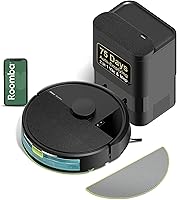
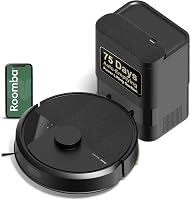
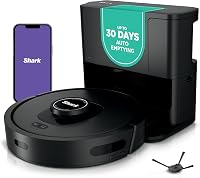
Roomba 105 Vac Robot Vacuum Review: Worth It? (October 2026)
The Roomba 105 Vac suits homes that want scheduled vacuuming without mopping and a bagged self-empty dock. Choose a Combo for hard-floor mopping or the Shark alternative if you prefer a bagless base.
On this page (11 sections)
- Who should buy the Roomba 105 Vac?
- How the Roomba 105 Vac cleans your rooms
- Fit and battery details to check before buying
- What the AutoEmpty dock saves you
- Set up room cleaning before making a schedule
- Roomba 105 Vac vs the Roomba 105 Combo
- Roomba 105 Vac vs the Roomba 104 2-in-1
- Roomba 105 Vac vs the Shark AV2501AE
- How carpet and rugs should change your choice
- Care habits and mistakes that affect daily use
- Which Roomba 105 option should you choose?
The Roomba 105 Vac is a good fit for scheduled vacuuming without mopping, especially if you want collected dirt sealed in a disposable dock bag. Choose it to maintain floors between deeper cleaning sessions while keeping the mop you already use.
Its main appeal is control over where and when it cleans. You can send it to busy rooms, protect problem areas with keep-out zones and adjust cleaning effort instead of running the same whole-home job every time.
Who should buy the Roomba 105 Vac?
Buy the Roomba 105 Vac if your main chore is recurring dry debris: crumbs, dust and pet hair on accessible floors. Skip it if washing hard floors is the task you most want to hand over.
Roomba 105 Vac: Best for homes that already mop
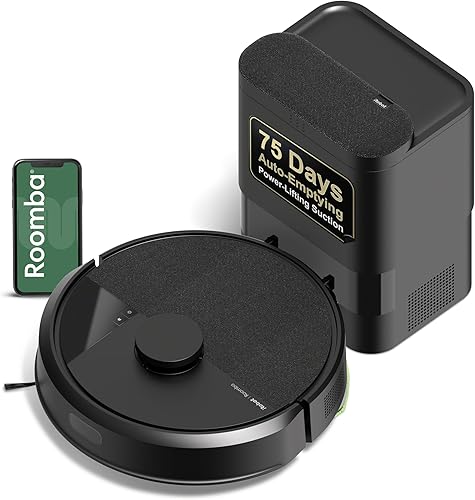
- LiDAR mapping and neat-row cleaning
- AutoEmpty dock holds up to 75 days of debris
- App, button and voice control
- 200-minute battery life
Choose this vacuum-only Roomba for scheduled dry cleaning while keeping your current mopping routine. Its bagged dock lets you dispose of collected debris without pouring out a reusable container.
Pros
- Room targeting and keep-out zones
- Adjustable cleaning passes and suction
- Bagged debris disposal
- App, button and voice controls
Cons
- No mopping function
- Requires replacement dock bags
- Brushes and filters still need care
It suits households that want the kitchen cleaned after meals or a pet's favorite room vacuumed more often than a spare bedroom. Room-based routines make more sense than sending a robot through every room on every run.
The bagged dock also suits people who prefer lifting out collected debris rather than pouring it from a container. Allow for replacement bags and keep a spare available so a full bag doesn't interrupt your routine.
Is the Roomba 105 right for a pet home?
The Roomba 105 makes sense for frequent floor maintenance, provided you're willing to clear pet clutter and remove wrapped hair. Run it before loose hair gathers into larger clumps, and keep bowls, toys and bedding out of its route.
For more choices, see our best Roombas for pet hair guide. If brush wrapping is the main problem, start with how to stop pet hair tangling in a robot vacuum brush.
How the Roomba 105 Vac cleans your rooms
The Roomba 105 Vac uses ClearView LiDAR mapping and neat-row cleaning to cover rooms in a planned pattern. Its Multi-Surface brush handles floor debris, while an Edge-Sweeping brush reaches along edges.
iRobot claims 70 times more power-lifting suction than Roomba 600 series robots. That comparison is specific to the older series; it isn't a suction ranking against the Shark or the combo models here.
Use extra cleaning passes where crumbs or hair collect, and reserve stronger suction for areas that need it. For a small patch of dry debris, spot cleaning repeats work in one area for up to 5 minutes.
Mapping doesn't remove the need to prepare the floor. Pick up cords, socks and small toys, and deal with wet spills or pet accidents yourself before starting a vacuum run.
Fit and battery details to check before buying
Check furniture clearance, dock space and job length before choosing the Vac. A robot that can't reach the areas you care about won't save much work there.
The robot measures 13.2 x 13.2 x 4.1 in and weighs 6.2 lb. Measure the lowest point under furniture, including sagging fabric, rather than judging clearance from the height of the legs.
| Model | Stated battery life |
|---|---|
| Roomba 105 Vac | 200 minutes |
| Roomba 105 Combo | 100 minutes |
| Roomba 104 2-in-1 | 120 minutes |
| Shark AV2501AE | Up to 120 minutes |
The Vac has the longest stated battery life in this group. Use that as a planning detail rather than converting minutes into a promised floor area, since room layout, passes and settings change the work required.
What the AutoEmpty dock saves you
The AutoEmpty dock reduces manual debris emptying, while leaving brush, filter and sensor care on your to-do list. iRobot says its bag holds up to 75 days of debris, with the same capacity claim for both Roomba combo alternatives here.
Treat that figure as an upper limit. A shedding pet and frequent cleaning can fill a bag sooner than light use in a low-debris home.
iRobot says the bag traps 99% of allergens as small as 0.7 microns. That is a filtration claim for the bag, rather than a room-air cleaning or health promise.
Choose a permanent dock location with a clear approach and follow the placement clearances in the instructions. Tucking it into a crowded corner can make returning to the base harder.
Our guide to what a self-empty station does explains the upkeep involved. The Shark AI Ultra review covers the alternative of a bagless base.
Set up room cleaning before making a schedule
Start with a clear floor and a checked map, then build a schedule around the rooms that get dirty fastest. Avoid scheduling unattended cleaning before you've watched how the robot handles your layout.
The Roomba requires a 2.4 GHz Wi-Fi network for setup and operation. Your phone can return to 5 GHz afterward; see whether a robot vacuum needs Wi-Fi if network access affects your choice.
After mapping, check room boundaries and create keep-out zones around persistent snag points. Leave doors open to rooms you want included and move loose rug fringes out of the cleaning path.
Begin with one busy room and a simple schedule. Use the app's time estimates to choose a window when floors are clear, then add rooms or passes as needed.
Buttons are useful for starting a quick clean. The Roomba Home app handles detailed settings, while Alexa, Siri and Google Assistant-enabled devices provide compatible voice control.
iRobot includes sensors to help prevent falls down stairs. Keep them clean and follow the safety instructions around drops, especially during initial setup.
Roomba 105 Vac vs the Roomba 105 Combo
Choose the Roomba 105 Combo if hard-floor wiping is part of the job you want automated. Stay with the Vac if you prefer handling mopping separately and want fewer pad-care chores.
The Combo offers vacuum-only, mop-only and combined modes, with adjustable liquid flow to its microfiber pad. It detects and avoids carpets during mopping, which suits hard-floor rooms broken up by rugs.
Its SmartScrub mode adds a scrubbing option, and an extra mop pad is included. A spare pad is useful when the other one is being washed and dried.
Skip the Combo if you won't regularly use or care for the mop. You can also read the Roomba 105 Combo review before choosing between the two versions.
Roomba 105 Vac vs the Roomba 104 2-in-1
Choose the Roomba 104 2-in-1 if you want room-based vacuuming plus routine mopping and are comparing another Roomba combo option. Don't assume the model number alone settles which one fits your home.
The 104 offers separate or combined cleaning, carpet avoidance while mopping, adjustable liquid flow and SmartScrub. Like the 105 Combo, it requires pad care as part of the routine.
Both combo models cover the core needs of a household adding regular hard-floor wiping. Choose the Vac instead if most cleaning routes are carpeted or you prefer using your own mop.
For either combo, confirm that your floor's care instructions allow damp mopping. Use water or an iRobot-compatible solution, and don't add a household cleaner just because you already use it with a manual mop.
Roomba 105 Vac vs the Shark AV2501AE
Choose the Shark AV2501AE if a bagless base and a self-cleaning brushroll matter more than bagged disposal. Skip it if you want mopping or prefer throwing away a sealed debris bag.
Shark's base holds up to 60 days of debris, and Shark says its HEPA filtration traps 99.97% of dust and allergens down to 0.3 microns. You'll still need to empty the reusable container and maintain its filters.
Matrix Clean uses a grid with multiple passes, while Recharge and Resume lets the robot recharge and continue an unfinished job. That continuation feature matters if long cleaning sessions are a priority.
The self-cleaning brushroll is worth comparing in a pet home, though you should still inspect it for trapped material. Pick the Roomba when your preferred trade-off is replacement bags in exchange for simpler debris disposal.
How carpet and rugs should change your choice
Choose around the surfaces the robot can reach and cross, not just the amount of carpet in your home. Thick pile, loose edges and fringes can make a cleaning route harder to complete.
Inspect transitions between rooms and check whether rugs shift or bunch. Use keep-out zones for troublesome areas, and keep another vacuum for stairs, upholstery and places the robot can't enter.
Read do robot vacuums work on carpet? for floor-specific limits. Our guide to choosing a robot vacuum for carpet helps you weigh pile, rugs and access before buying.
For pet households, cleaning frequency and brush care deserve as much attention as suction claims. The robot vacuum for pet hair guide explains how to match those needs to your floors.
Care habits and mistakes that affect daily use
Keep brushes, filters, sensors and the dock approach clear so the robot can keep doing its job. Self-emptying handles collected debris, not every maintenance task.
Check the brush ends and wheels for wound hair, especially during heavy shedding. Follow the care instructions for each part, and don't wash a filter unless those instructions allow it.
Wipe sensors and charging contacts as directed, and inspect the debris path if emptying becomes incomplete. Our robot vacuum cleaning guide walks through the main parts to check.
Avoid these common mistakes:
- Starting with a cluttered floor: remove cords, clothing and small objects before a scheduled run.
- Leaving wet or unsafe messes: clean spills and pet accidents yourself before sending the robot through.
- Ignoring a full dock bag: inspect it regularly instead of waiting for a calendar deadline.
- Adding too many passes everywhere: target busy areas first so quiet rooms don't take unnecessary time.
- Moving the dock often: keep the base in a consistent, accessible location.
- Leaving combo pads dirty: wash and dry them after use so the next run starts with a clean pad.
Check results in the rooms that matter most, then adjust the routine. More frequent kitchen cleaning may save more effort than a longer whole-home run.
Which Roomba 105 option should you choose?
Choose the Roomba 105 Vac for dry-floor upkeep with bagged disposal when you already have a mopping routine you like. It is the clearest fit if crumbs, dust and loose hair are your daily floor chores.
Pick the 105 Combo for hard floors with rugs when you want regular wiping and will maintain the pads. Consider the 104 2-in-1 for the same broad job, comparing its controls and stated battery life with your planned cleaning sessions.
Choose the Shark if avoiding disposable dock bags and having Recharge and Resume are your priorities. If that leaves you choosing between brands, the Roomba vs Shark guide is the next useful comparison.
For more Roomba options suited to shedding, see our best Roombas for pet hair guide.
Frequently asked questions
Does the Roomba 105 Vac mop?
No, the Roomba 105 Vac handles dry vacuuming only; choose the Roomba 105 Combo or Roomba 104 2-in-1 if you want vacuum-only, mop-only and combined cleaning modes. Both combo models avoid carpets while mopping, but you still need to wash and dry their reusable pads.
How often does the Roomba 105 Vac empty itself?
The robot transfers collected debris into its AutoEmpty dock during normal use. iRobot's up-to-75-day figure describes dock capacity between bag changes, not a schedule for leaving it unchecked. Hair, dirt volume and cleaning frequency affect how quickly the bag fills, so inspect it as part of routine care.
Does the Roomba 105 Vac work without Wi-Fi?
Plan on having a 2.4 GHz Wi-Fi network: iRobot specifies it for setup and operation. The robot also has button controls, but those don't establish full offline use; choose it if you're comfortable connecting a robot to your network and using the app for room-based cleaning.
Is the Roomba 105 Vac a good choice for pet hair?
Yes, it fits pet homes that want frequent dry-floor upkeep and bagged debris disposal; plan to remove wrapped hair from the brush and keep a separate vacuum for furniture and stairs. If reducing brush maintenance is your main goal, compare the Shark's self-cleaning brushroll before choosing.